
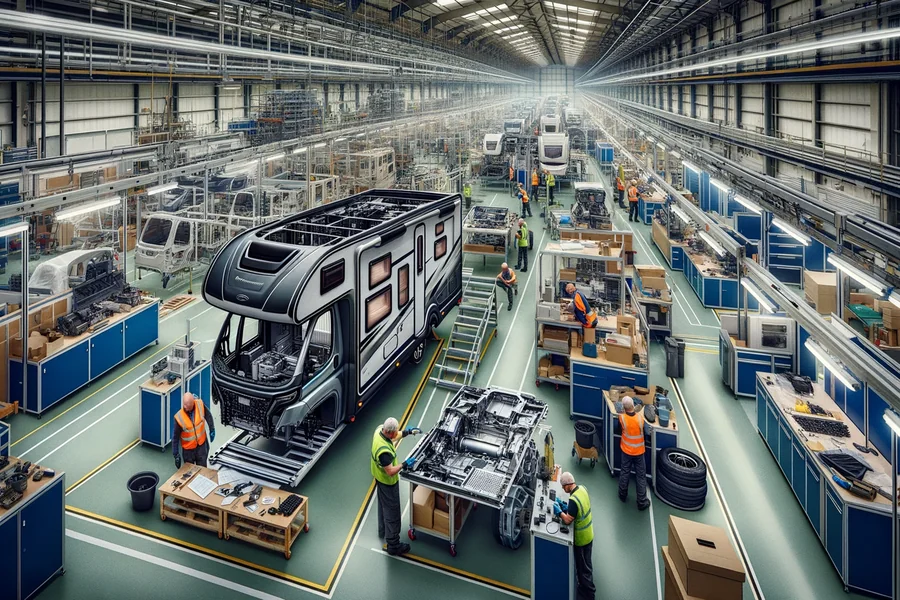
The caravan chassis — the structural backbone that supports everything from the wheels to the living space — has always been one of the most critical components of recreational vehicle (RV) design. Over the past decade, however, rapid changes in materials science, manufacturing techniques, consumer demand, and regulatory standards have driven a noticeable shift in how chassis are developed and produced.
Today’s caravan makers are balancing lightweight efficiency, strength and durability, cost pressures, and environmental concerns. The result is a wave of innovation that’s reshaping this previously conservative corner of vehicle production.
1. Material Innovation: From Steel to Hybrid Alloys
Historically, caravan chassis were almost exclusively built from mild steel — heavy, strong, and relatively inexpensive. That is still true in many budget models, but manufacturers are increasingly exploring alternatives to gain weight savings and longevity.
a. High‑Strength Steel (HSS)
High‑strength steel allows builders to use thinner sections without sacrificing load‑bearing capability. The material is stronger than mild steel, so it reduces overall weight while still meeting safety requirements. It also performs well during welding and fabrication.
b. Aluminum Alloys
Aluminum is rising in popularity because it offers significant weight reductions — sometimes 30–50 % lighter than comparable steel structures. Lighter chassis improve fuel economy, towing ease, and payload capacity. However, aluminum is more expensive and can require specialized joining techniques like rivet bonding and friction stir welding instead of traditional welding.
c. Composite Materials
Some premium manufacturers are experimenting with composites such as carbon fiber reinforced plastics (CFRP) and fiberglass‑based structures. These materials deliver excellent strength‑to‑weight ratios and corrosion resistance, but they are much more costly and complex to manufacture. Currently, composites are more common in specialized RV components than in full chassis systems, but interest is growing.
2. Advanced Joining and Fabrication Techniques
As materials diversify, so do fabrication methods. Traditional weld‑on steel chassis are giving way to a blend of modern processes:
a. Laser and Robotic Welding
Automated welding systems provide consistent weld quality and reduce defects caused by human error. Laser welding, in particular, delivers this precision with minimal heat distortion — valuable when working with high‑strength steel or thin aluminum sections.
b. Adhesive Bonding & Rivet Systems
With aluminum and composites, machines use structural adhesives and mechanical fasteners like rivets to create joints that are lightweight and resilient. These systems reduce stress concentrations and improve corrosion resistance versus traditional welded steel joints.
c. Modular Assembly Lines
Rather than building each chassis from scratch, many factories are moving to modular kits produced in controlled environments. Sections of a chassis — front, center, rear — are fabricated and finished separately, then assembled on the production line. Modularization boosts efficiency and makes quality control easier.
3. Corrosion Resistance and Longevity
Caravan chassis endure harsh conditions: water, salt, road debris, and temperature swings. Corrosion protection has long been a priority, but new trends are improving it further:
a. Powder Coating and Advanced Paint Systems
Powder coating has become a standard layer on chassis, offering thicker, more durable coverage than liquid paint. Some manufacturers now add additional layers like epoxy primers and ceramic coatings for even greater resistance.
b. Galvanization
Hot‑dip galvanizing or zinc electroplating remains important, especially for steel chassis. The zinc layer protects the steel from oxidation and extends service life, crucial for owners in coastal regions or colder climates that use road salts.
c. Sealed and Protected Channels
New designs incorporate sealed channels, internal coatings, and drainage paths so that moisture and dirt don’t accumulate inside frame members, reducing hidden corrosion.
4. Weight Optimization and Payload Efficiency
Increasingly, caravan customers demand lighter vehicles that still offer comfort and storage. Lighter chassis allow manufacturers to allocate more of the gross vehicle weight to living space, water, appliances, and gear — instead of wasting it on heavy metal.
a. Finite Element Analysis (FEA)
Design teams use simulation software like FEA to model stresses and remove unnecessary material — reinforcing only where needed. This precision allows for lighter yet strong structures.
b. Integrated Design and Load Path Engineering
Rather than building a generic rectangle and bolting components onto it, modern chassis are designed to work as part of the full caravan structure. Engineers analyze load paths and integrate the floor, walls, and frame so the whole vehicle contributes to strength.
c. Torsional Stiffness Improvements
Torsional stiffness — resistance to twisting forces — is important for road handling and longevity. Reducing weight shouldn’t mean losing stiffness, so designers use techniques like triangulated tubing and cross members positioned for maximum resistance to twist.
5. Sustainability and Environmental Priorities
Environmental consciousness is now a factor in chassis design and manufacturing.
a. Recycled Materials
Using recycled steel and aluminum reduces the carbon footprint of chassis production. Some suppliers now offer certified recycled alloys for chassis sections.
b. Energy‑Efficient Manufacturing
Factories adopting renewable energy sources, efficient press braking systems, and modern cutting technologies reduce waste and energy use — both in operations and raw material processing.
c. Lifecycle Considerations
Manufacturers are thinking beyond initial build quality to how materials will perform over years or decades. Long life and recyclability are selling points for eco‑aware buyers.
6. Customization and Flexible Platforms
Today’s consumers often want personalization — from off‑road capability to extra storage and unique layouts. Chassis manufacturers are responding with flexible platforms that can adapt to different caravan types:
- Off‑road chassis with higher ground clearance and reinforced frames
- Expandable or modular chassis that allow stretch sections or add‑on modules
- Pre‑configured mounting points for popular accessories like spare wheels, toolboxes, and bike racks
This trend toward versatility means chassis builders must offer customizable hard points and scalable designs that support many configurations without redesigning from scratch.
7. Integration with Smart Technologies
Caravan manufacturing is entering the era of the “connected chassis.” While the chassis itself remains a mechanical structure, advanced technologies are becoming integrated:
a. Sensor Integration
Strain gauges, accelerometers, and other sensors can monitor stresses during use. In advanced caravans, this data is sent to onboard systems or apps to warn owners about potential fatigue or damage.
b. Smart Suspension Systems
Chassis aren’t just beams anymore: they often come with electronically controlled suspension that adapts to road conditions, improving comfort and reducing stress on the frame.
c. Telematics and Tracking
Embedded telematics can report towing conditions, weight distribution, and even warn of poor hitch alignment — indirectly protecting the chassis from undue strain.
8. Global Supply Chain and Local Manufacturing Shifts
Like many industries, caravan manufacturing has felt the effects of global supply chain shifts. Component shortages and tariff fluctuations are encouraging some companies to localize chassis production closer to key markets. This reduces lead times and supports customization for regional requirements. Additionally, innovative caravan chassis manufacturers are leveraging local partnerships to enhance production flexibility and quickly respond to market demands.
At the same time, partnerships between chassis specialists and RV brands are growing. Some manufacturers now provide complete rolling platforms that brands can customize, reducing development costs and speeding time to market.
9. Safety Standards and Regulation Compliance
Safety standards continue to evolve, and new regulations affect chassis design:
- Stronger crashworthiness requirements
- Brake and lighting integration standards
- Weight distribution and stability testing mandates
To stay compliant, chassis engineers must work closely with certification bodies and embrace new testing protocols — including virtual crash simulations and real‑world testing.
10. Future Outlook: What’s Next?
Looking ahead, several trends are poised to gain traction:
- More widespread use of lightweight composites as costs come down
- Greater digitalization of the design and fabrication process
- Increased automation in assembly lines
- Integration with electric and hybrid caravan innovations
- AI‑driven predictive maintenance systems
As caravan owners continue to demand lighter, stronger, smarter vehicles, chassis manufacturing will remain a dynamic field at the intersection of traditional metalwork and futuristic engineering.
Caravan chassis manufacturing is undergoing meaningful transformation. Driven by material advances, digital engineering tools, sustainability priorities, and customer expectations for performance and customization, today’s chassis are more sophisticated than ever before. Whether constructed from next‑generation alloys or built on modular platforms, future chassis designs will play a vital role in shaping the RVs of the next decade — making travel lighter, safer, and more enjoyable for millions of adventurers around the world.
