Cricket used to be a broadcast product. A match happened, the viewer watched, the commentator narrated, and that was that. Today, a match is more like a live internet event, with side quests happening on every screen in the house.
Spend five minutes on a live match hub like the tamasha cricket online betting website and the shift is obvious. The core action is still bat versus ball, but the experience around it is built for taps, updates, quick reactions, and constant context.
From spectators to participants (without leaving the sofa)
The biggest change is not video quality or camera angles. It’s the feeling of participation. Online platforms are turning passive watching into a string of small interactions that keep fans emotionally invested even when the over-rate drags.
A fan doesn’t have to wait for the innings break to check numbers anymore. Everything is immediate. And once “immediate” becomes normal, going back to delayed updates feels like reading yesterday’s newspaper.
What fans now expect as a baseline
A modern cricket platform is judged quickly. Usually within one session.
- Live scores that refresh cleanly and consistently
- Ball-by-ball text that matches the rhythm of play
- Stats that update without manual refresh
- A match center that works one-handed on a phone
- Quick access to key moments (wickets, boundaries, milestones)
If any of these feel slow, trust drops. And in cricket, trust is basically the product.
Real-time data turned cricket into a living dashboard
Cricket has always been a sport of numbers. Averages, strike rates, economy, partnerships, wagon wheels. The difference now is timing. Those numbers used to arrive later, packaged as analysis. Online platforms deliver them while the bowler is walking back to the mark.
The new “commentary team” is data plus design
Platforms are effectively doing editorial work with data. They choose what to surface at what moment:
- Required run rate that updates instantly in a chase
- Partnership progression during a stabilizing stand
- Batter vs bowler matchups when a change is made
- Fielding metrics and misfield counts when the game gets scrappy
When done well, it’s genuinely helpful. When done badly, it’s clutter and panic graphs that swing wildly for attention. Fans can usually tell which is which.
The second screen is not optional anymore
A lot of fans still watch the match on TV or a streaming service. The phone becomes the control room. It fills in the gaps: updates, clips, chats, memes, and the constant “did you see that?” chatter.
Online platforms leaned into this behavior instead of fighting it. Now many match experiences are designed assuming the fan is multitasking.
Why second-screen features work so well in cricket
Cricket has natural pauses. Between overs, during reviews, while fielders move, between innings. Those seconds are valuable.
A good platform uses them for:
- Quick recaps for late joiners
- Context cards (“last 5 overs” summaries, partnership notes)
- Short highlight snippets that do not require hunting
- Interactive prompts that feel timed, not random
It keeps the fan in the story, even when the match drifts.
Live communities turned matches into shared events again
Cricket fandom is social by default. It always has been. The internet simply made the crowd visible. Live chats, comment streams, watch parties, reaction buttons, and creator-led rooms are now part of the match experience.
This is a double-edged sword. The best communities add energy and insight. The worst ones become unreadable noise within minutes.
What platforms are doing to keep communities usable
Moderation used to be an afterthought. Now it’s a feature.
Expect to see:
- Slow mode during high-traffic moments
- Filters that catch obvious spam fast
- Reporting tools that don’t feel decorative
- Highlighted messages from verified accounts or trusted contributors
It sounds basic, but it decides whether casual fans stick around or quietly exit.
Interactivity is moving beyond polls and “predict the winner”
The early wave of cricket interactivity was simple: polls, quizzes, emojis. That stuff is still there, but it’s not the main attraction anymore. Platforms now build interactive layers that track the match more closely, almost like mini-games running alongside the broadcast.
The formats getting popular
Some are playful, some are serious, most are designed to be quick.
- Over-by-over predictions
- Player performance challenges
- Live fantasy contests that adjust during the match
- Micro-interactions tied to events (wicket prompts, milestone alerts)
The key is restraint. Fans want interactivity, but they don’t want pop-ups covering the action during a tense over.
Short clips and instant highlights changed how moments travel
A great wicket doesn’t stay inside the match anymore. It leaves the match immediately and lives as a clip, a meme, a reaction video, and a WhatsApp forward. Platforms know this, so they make sharing frictionless.
Why highlight speed matters
If a platform is late with a key clip, fans see it elsewhere first. That’s not just a missed view. It’s a missed habit.
The best platforms get three things right:
- Quick posting of key moments
- Clean playback on mobile data
- Sharing tools that don’t break the session
Cricket is built on moments. Platforms that capture moments faster feel more “live,” even if the stream is the same.
Notifications became smarter, because fans became less patient
Push notifications are the fastest way to bring fans back into a match, but they’re also the fastest way to get muted. Nobody wants an app that screams every time a single is taken.
Better platforms now treat notifications like a preference, not a weapon. Users can choose what matters: wickets, milestones, innings breaks, close finishes, favorite teams, favorite players.
A practical notification setup for most fans
This keeps the signal high without turning the phone into a siren:
- Wickets and innings breaks as default
- Milestones (50, 100, five-for) turned on
- Favorite team alerts enabled, everything else optional
- Quiet hours set for work or sleep
- Match-specific alerts that can be toggled quickly
Fans like being informed. They dislike being chased.
Betting and fantasy features are part of the interactive mix (and they raise the stakes)
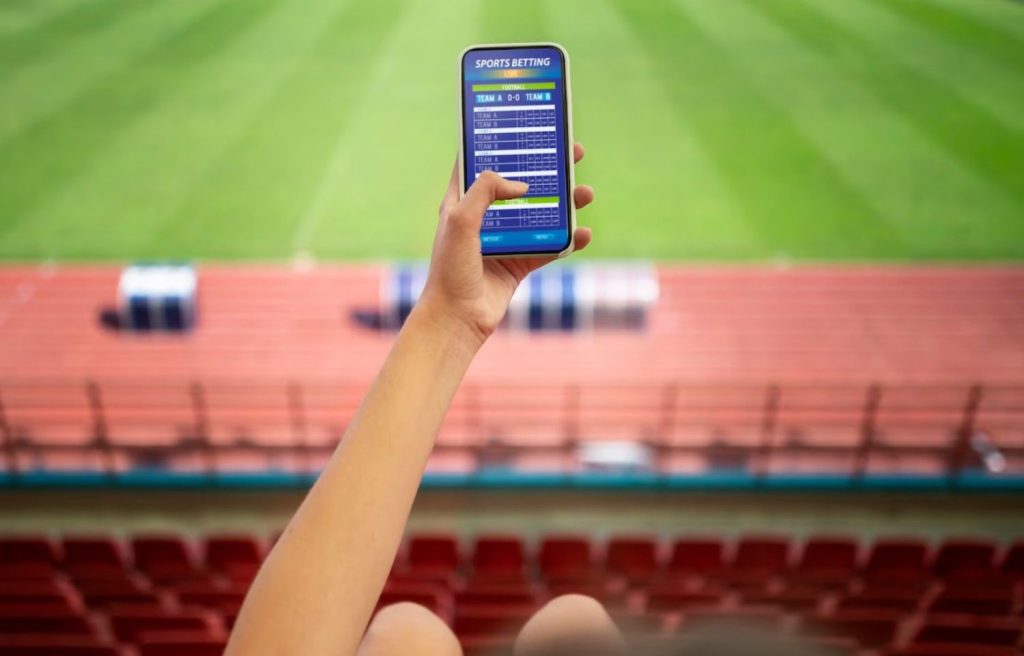
Many cricket platforms now include interactive markets and fantasy mechanics. That changes engagement because it turns watching into decision-making. The match becomes more than entertainment; it becomes something to respond to, in real time.
That also means responsibility matters. Good platforms make rules clear, provide spending controls where money is involved, and avoid hiding key information behind confusing menus. Fans should be able to see what they are doing, not guess.
What this interactivity trend means for the future of cricket fandom
Cricket is not being replaced by apps. It’s being wrapped in an interactive layer that matches how people live now: fragmented time, constant messaging, and the expectation that information should update instantly.
The next stage is already taking shape:
- More real-time personalization (favorite teams, tailored match hubs)
- Better sync between video, live stats, and interactive tools
- More creator-led live rooms that feel like watching with friends
- Cleaner, faster experiences built for mid-range phones, not just flagships
Tips for fans: how to choose a platform that actually enhances the match
Not every “interactive” platform improves the experience. Some just add noise. A few quick checks help separate the two.
A good platform usually has
- A live screen that updates smoothly without constant refresh
- Clear match navigation (score, commentary, stats, highlights)
- Controls for notifications and privacy that are easy to find
- Fast loading on mobile data, not only on Wi-Fi
- Community features that feel moderated, not abandoned
Cricket is intense enough without fighting the interface.
The bottom line
Online platforms are making cricket more interactive by shrinking the distance between the action and the fan. Live data, second-screen tools, instant highlights, community features, and real-time interactivity have turned matches into shared digital experiences, not just broadcasts.
And once fans get used to that level of immediacy, there’s no going back. The sport stays the same. The way it’s lived, talked about, and tapped through on a phone keeps evolving.
.