
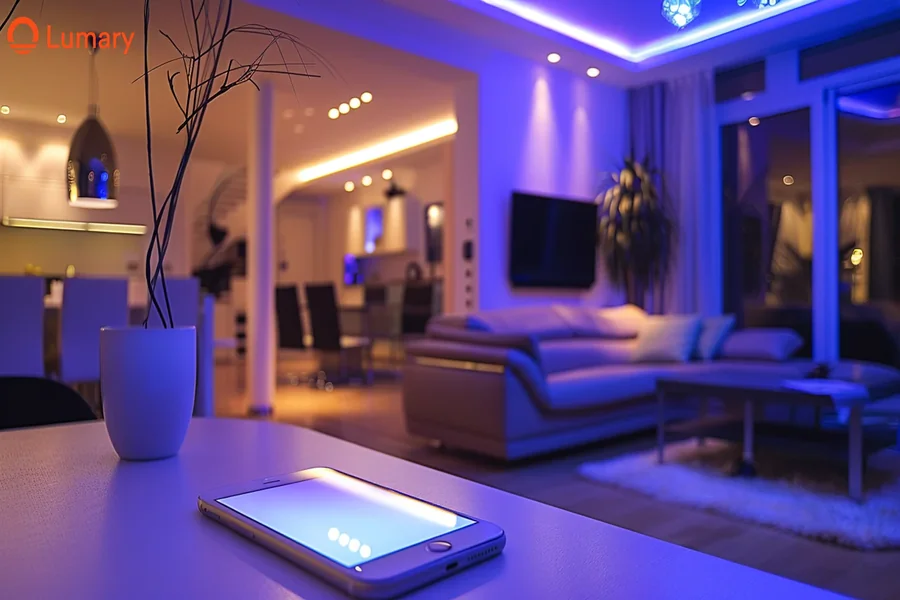
Lighting has evolved far beyond simple on and off functionality. Today, smart lighting systems are transforming how people interact with their living spaces. From adjusting brightness with a phone to creating mood based lighting, these solutions offer both convenience and efficiency. One of the most popular options in this category is the LED smart light bulb, which combines energy efficiency with intelligent control.
What is a Smart LED Light Bulb
A LED smart light bulb is an advanced lighting solution that can be controlled remotely using a smartphone, voice assistant, or automation system. Unlike traditional bulbs, it connects through WiFi or Bluetooth, allowing users to adjust brightness, color, and scheduling without touching a switch.
These bulbs are designed using LED technology, which already consumes significantly less energy than traditional lighting. On top of that, smart features add flexibility and personalization, making them a preferred choice in modern homes.
Why Smart Lighting is Becoming Popular
The growing adoption of smart homes has made intelligent lighting more relevant than ever. People are looking for solutions that not only save energy but also enhance comfort and convenience.
Smart bulbs allow users to control lighting remotely, which is especially useful when away from home. They can also be programmed to turn on or off at specific times, improving both security and energy efficiency. Many models support millions of color variations and preset lighting scenes, enabling users to create different moods for different occasions.
In addition, smart lighting systems often integrate with voice assistants, making it possible to control lights using simple voice commands.
Key Features to Look For
When choosing a smart lighting solution, there are several important features to consider.
Connectivity Options
Some bulbs use WiFi, while others rely on Bluetooth or require a hub. WiFi bulbs offer remote access, while Bluetooth options are usually limited to shorter distances.
Brightness and Color Range
Brightness is measured in lumens, and higher values indicate stronger light output. Many smart bulbs also offer adjustable color temperatures or full RGB color options.
Compatibility
It is important to ensure that the bulb works with your existing smart home ecosystem, whether it is Google Assistant, Alexa, or other platforms.
Energy Efficiency
LED based smart bulbs consume less energy and have a longer lifespan compared to traditional bulbs, making them more sustainable in the long run.
Control and Automation
Features such as scheduling, timers, and scene settings allow users to automate lighting based on daily routines.
Everyday Use Cases
Smart lighting is used in a variety of ways depending on lifestyle and environment.
In homes, it is commonly used to create different atmospheres in living rooms, bedrooms, and kitchens. For example, warm lighting can be used for relaxation, while bright white light is ideal for work or study.
In offices, smart bulbs help improve productivity by providing adjustable lighting conditions throughout the day. In entertainment setups, color changing lights can enhance the viewing experience by syncing with music or visuals.
Benefits Beyond Convenience
While convenience is a major advantage, smart lighting also offers practical benefits.
One key benefit is energy savings. Since LED smart bulbs use less power and can be automated, they help reduce electricity consumption over time.
Another benefit is improved security. Lights can be scheduled to turn on even when no one is at home, creating the impression that the space is occupied.
Smart lighting also contributes to better lifestyle management. For example, lights can gradually brighten in the morning to simulate sunrise or dim in the evening to promote relaxation.
Common Mistakes to Avoid
Despite their advantages, many users make mistakes when setting up smart lighting.
One common issue is choosing a bulb that is not compatible with existing devices or apps. Another mistake is ignoring network requirements, which can affect performance if the connection is unstable.
Some users also overlook placement. Installing smart bulbs in areas where manual switches are frequently turned off can disrupt connectivity, as the bulb needs constant power to function properly.
Is It Worth the Investment
Smart bulbs are generally more expensive than traditional ones, but they offer long term value through energy savings, convenience, and advanced features. Prices vary depending on brand and functionality, with basic models being affordable and premium options offering more advanced controls.
For users who value automation and customization, the investment is often worthwhile.
Conclusion
Smart lighting is no longer just a luxury feature. It has become a practical solution for modern living, offering a combination of efficiency, flexibility, and convenience. A LED smart light bulb can transform how you experience lighting in your home or workspace, making everyday tasks easier while enhancing comfort.
By understanding key features and choosing the right setup, users can fully benefit from what smart lighting has to offer.
