
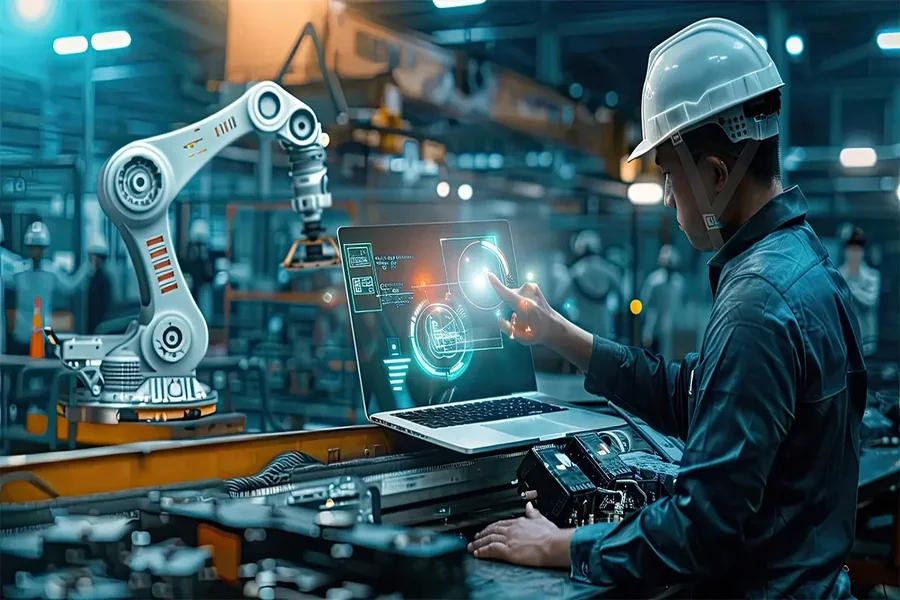
Are your production lines running as efficiently as they could be? Are maintenance tasks being completed on time, or are unplanned breakdowns causing costly delays? In today’s fast-paced manufacturing environment, relying on outdated work order methods can leave operations struggling to keep up. A smarter approach to managing work orders is no longer optional—it is essential for efficiency, safety, and profitability.
The Growing Complexity of Manufacturing Operations
Modern manufacturing floors are more advanced than ever. Automated machinery, interconnected production lines, and strict compliance requirements demand precise coordination. A single missed maintenance task or delayed repair can ripple across the entire operation, causing downtime, wasted materials, and missed delivery deadlines.
Traditional work order management often struggles in this environment. Paper-based systems are slow to update, difficult to track, and prone to errors. Even basic digital tools, such as standalone spreadsheets, lack real-time visibility and collaboration features. As production scales, these limitations become costly bottlenecks.
What Smarter Work Order Management Looks Like
A smarter way to manage work orders focuses on clarity, speed, and accountability. Instead of reactive fixes, it enables teams to plan, prioritize, and execute maintenance tasks efficiently. Work orders are created digitally, assigned instantly, and updated in real time, ensuring everyone is working from the same information.
This approach also centralizes data. Asset histories, maintenance schedules, spare parts usage, and technician notes are all linked to each work order. Over time, this creates a valuable knowledge base that supports better decision-making and continuous improvement. Using a tool like eWorkOrders CMMS can simplify this process, making digital work order management more accessible and efficient for maintenance teams.
Improving Communication Across Teams
One of the biggest challenges in manufacturing is communication between departments. Maintenance teams, production supervisors, and operations managers often work in silos, leading to misunderstandings and delays. Smarter work order management bridges these gaps.
Digital work orders can include detailed instructions, safety guidelines, and visual references, reducing the need for back-and-forth clarification. Updates are visible instantly, so production managers know when equipment will be back online, and maintenance teams can adjust priorities based on real-time needs. This transparency builds trust and keeps operations aligned.
Reducing Downtime Through Proactive Maintenance
Unplanned downtime is one of the most expensive issues in manufacturing. A smarter work order system supports preventive and predictive maintenance strategies that help avoid breakdowns before they happen. Scheduled inspections and routine tasks are automatically generated, ensuring nothing is overlooked.
When issues are identified early, work orders can be prioritized based on risk and impact. This proactive approach not only extends equipment lifespan but also stabilizes production schedules. Over time, fewer emergencies mean less stress on teams and more predictable operational costs.
Data-Driven Decisions on the Shop Floor
Managing work orders intelligently is not just about completing tasks—it is about learning from them. Each completed work order adds data that can be analyzed for patterns and insights. Repeated failures, high-maintenance assets, or inefficient processes become easier to spot.
With access to accurate data, managers can make informed decisions about equipment upgrades, staffing levels, and maintenance strategies. Instead of relying on assumptions or anecdotal evidence, they can base decisions on real performance metrics. This shift toward data-driven management is a key advantage in competitive manufacturing sectors.
Supporting Compliance and Safety Standards
Manufacturing and production facilities must meet strict regulatory and safety requirements. Smarter work order management simplifies compliance by creating clear audit trails. Every task is documented, including who performed it, when it was completed, and what procedures were followed.
Safety checks and compliance-related tasks can be built directly into work order workflows. This ensures that critical steps are never skipped, even during busy production periods. As a result, facilities reduce risk, improve workplace safety, and are better prepared for inspections or audits.
Empowering Maintenance Teams
A smarter system also benefits the people on the shop floor. Technicians gain easy access to work orders, asset histories, and instructions through digital devices. This reduces frustration, minimizes guesswork, and allows them to focus on quality work rather than paperwork.
Clear priorities and streamlined workflows improve job satisfaction and productivity. When teams feel supported by efficient tools, they are more likely to take ownership of their work and contribute to continuous improvement initiatives.
A Strategic Advantage for the Future
As manufacturing continues to evolve, flexibility and efficiency will define success. Smarter work order management transforms maintenance from a reactive necessity into a strategic function. It aligns maintenance activities with production goals, supports long-term planning, and strengthens overall operational resilience.
For manufacturing and production facilities looking to stay competitive, adopting a smarter approach to managing work orders is not just an upgrade—it is a fundamental step toward more reliable, efficient, and future-ready operations.
