
Before gaming chairs became a standard part of competitive setups, the idea of performance-oriented seating for gamers was largely unexplored.
This section examines how DXRacer identified that gap and laid the technical groundwork for what would become a global category.
In the early 2000s, competitive gaming was expanding rapidly, yet seating had not evolved to match the physical demands of long training sessions and extended screen time. Most players relied on standard office chairs or improvised setups that offered limited structural support.
DXRacer entered this landscape with a different foundation. Established in 2001, the company began as a manufacturer of racing seats, engineering products designed for performance, durability, and stability under pressure.
That motorsport heritage shaped the company’s early understanding of posture mechanics, structural integrity, and material endurance.
2006: The Launch That Defined the Gaming Chair
A defining moment in any industry is the point at which a product reshapes expectations. For gaming seating, that turning point came with DXRacer’s introduction of a chair built specifically for gamers rather than adapted from office furniture.
The Formula Series and the Birth of a New Standard
In 2006, DXRacer introduced the Formula Series, widely recognized as the first purpose-built gaming chair. This launch established a new seating archetype defined by a high-back silhouette, structured side bolsters, and a design optimized for desk-based performance.
The shape was inspired by racing cockpits but adapted for long-duration sitting. It offered a level of spinal alignment and shoulder support not commonly available in conventional office seating at the time.
From Performance Seating to Ergonomic Engineering
As the category matured, the focus shifted from visual identity to measurable ergonomic performance. This stage of DXRacer’s journey reflects a deeper investment in structural refinement and user-centered design.
Early Focus on Structural Integrity
DXRacer’s roots in racing seat manufacturing provided a technical advantage. Racing seats are engineered to withstand force, maintain stability, and support the body precisely. Translating that expertise into desk seating meant prioritizing internal frame strength, weight distribution, and durable materials.
Expanding the Meaning of Ergonomics
Over time, ergonomics evolved from a comfort feature into a performance standard. Contemporary ergonomic design now considers spinal posture, pressure distribution, adjustability range, and material breathability as integrated components of a complete seating system.
The Role of Esports in Category Expansion
Industry growth is often accelerated by cultural visibility. As esports gained global recognition, specialized seating became part of the professional environment and reinforced the legitimacy of the gaming chair category.
Visibility and Competitive Validation
As tournaments gained international attention, seating became part of the competitive stage environment. When professional players relied on structured seating during high-stakes matches, it reinforced the importance of endurance and posture in performance settings.
A 20-Year Journey of Continuous Refinement
Two decades of development rarely follow a straight line. DXRacer’s progression reflects consistent iteration, adaptation to industry growth, and refinement of ergonomic principles.
2001–2005: Engineering Foundations
The company’s early years were dedicated to performance seat manufacturing, building expertise in structural design and material resilience.
2006: The Formula Prototype Becomes a Global Reference
The introduction of the Formula Series marked the formal birth of the gaming chair category and established a structural blueprint that influenced the wider market.
2010s: Scaling with a Growing Industry
As streaming platforms and professional leagues expanded, demand for specialized seating increased. Gaming chairs transitioned from niche products to widely adopted ergonomic solutions.
2020s: Ergonomics for Work and Play
With remote work becoming more common, seating expectations expanded beyond gaming. Chairs were expected to support productivity, virtual collaboration, and extended computer-based tasks.
Today, a modern gaming chair represents the culmination of these refinements. The category has evolved into a structured, performance-focused seating solution designed for stability and long-term use. DXRacer’s broader gaming chair collection reflects how the original concept has matured over time.
Contemporary Ergonomic Design in the Present Era
Modern ergonomic design goes beyond aesthetics. It focuses on how structure, adjustability, and material science work together to support sustained human performance.
Designing for Long-Duration Focus
Extended sitting presents physical challenges that require thoughtful engineering. Contemporary designs prioritize alignment, dynamic support, and adjustable components that accommodate different body types and desk environments.
Looking Ahead: AI-Driven Ergonomic Health
The future of seating innovation increasingly intersects with technology. DXRacer’s latest retrospective study, conducted in collaboration with iResearch, highlights a shift toward intelligent, data-informed ergonomic systems.
The Next Chapter in Seating Innovation
AI-driven ergonomic concepts suggest a move toward personalized adjustments and proactive posture support. This progression builds upon two decades of mechanical refinement and reflects a broader commitment to long-term user well-being.
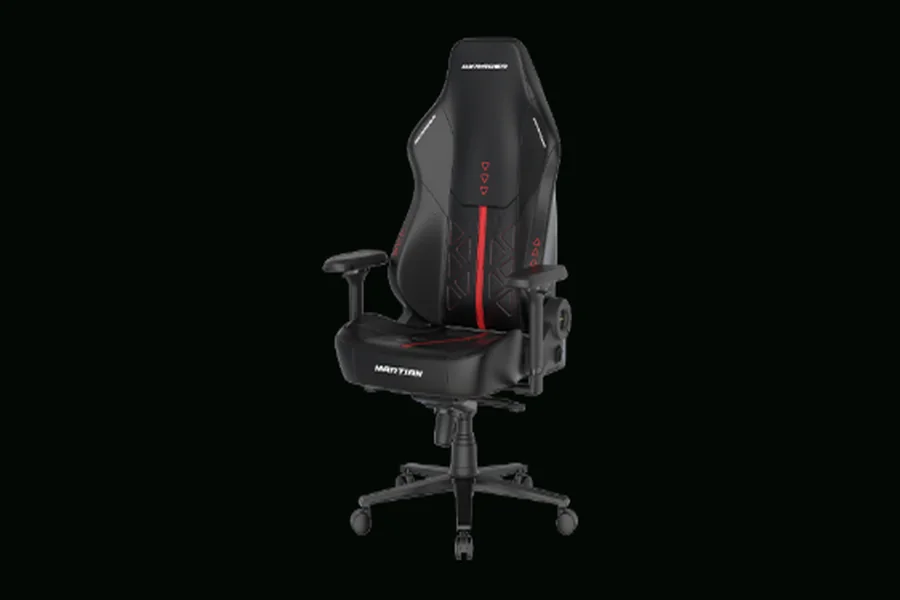
For readers evaluating high-end developments within the category, DXRacer’s Martian line is positioned as its best gaming chair, reflecting the brand’s forward-looking ergonomic direction.
Defining an Industry Through Consistency and Evolution
True category leadership is defined not only by early innovation but by sustained development. Over 20 years, DXRacer has evolved alongside the gaming industry while maintaining its engineering-driven foundation.
From a racing-inspired prototype to contemporary ergonomic systems, the brand’s trajectory mirrors the transformation of gaming itself. The standard it introduced continues to shape expectations for performance seating worldwide.
