
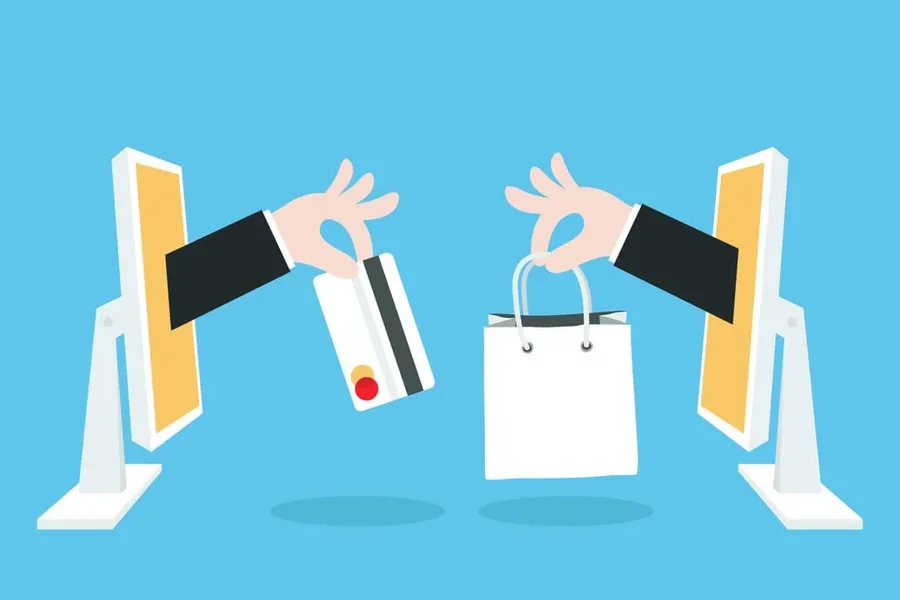
E-commerce in Europe has experienced remarkable growth over the past decade, transforming the way consumers shop and businesses operate. Driven by technological advancements, changing consumer behavior, and the ongoing digitalization of the retail sector, the European e-commerce market is now one of the largest and most dynamic in the world. Understanding its trends, challenges, and opportunities is essential for businesses seeking to thrive in this competitive landscape.
Market Size and Growth Trends
Europe represents a significant portion of the global e-commerce market, with revenue surpassing €717 billion in 2023, and expectations to exceed €900 billion by 2027. Western European countries, particularly Germany, the United Kingdom, France, and the Netherlands, dominate the market due to high internet penetration rates, robust logistics infrastructure, and a mature consumer base familiar with online shopping. Meanwhile, Eastern European countries are catching up rapidly, with nations like Poland, Romania, and the Czech Republic showing double-digit growth in e-commerce adoption.
Several factors contribute to this growth. The increasing availability of high-speed internet, widespread smartphone usage, and the proliferation of online payment solutions have made online shopping more convenient than ever. Consumers are also increasingly seeking personalized shopping experiences, a demand that e-commerce platforms can efficiently meet through data analytics, artificial intelligence (AI), and machine learning.
Consumer Behavior and Preferences
European consumers are diverse, with shopping habits varying significantly across countries. For instance, Germans prioritize product quality and reliability, while Italians and Spaniards often seek discounts and promotional deals. Nordic countries, including Sweden, Denmark, and Norway, have a strong preference for sustainable and ethically sourced products. This diversity presents both opportunities and challenges for e-commerce businesses. Companies must adopt flexible strategies that cater to local preferences, languages, and payment methods.
Cross-border shopping is another notable trend. According to Eurostat, approximately 65% of European online shoppers have made purchases from retailers in other EU countries. This trend is facilitated by the European Union’s single market policies, which simplify customs, taxation, and shipping procedures. Cross-border e-commerce opens new revenue streams for businesses willing to navigate different regulatory environments and consumer expectations.
Technological Innovations Driving Growth
Technology plays a pivotal role in shaping Europe’s e-commerce landscape. Artificial intelligence is increasingly used for personalized recommendations, predictive analytics, and customer service chatbots, enhancing the shopping experience and increasing conversion rates. Augmented reality (AR) and virtual reality (VR) are also transforming online retail, allowing consumers to virtually try on clothing or visualize furniture in their homes before making a purchase.
Mobile commerce (m-commerce) is another key driver. In 2023, nearly 55% of e-commerce transactions in Europe occurred via mobile devices. The convenience of mobile shopping apps, coupled with integrated digital wallets and one-click payment options, has made shopping on the go easier than ever. Businesses investing in mobile-friendly websites and apps are better positioned to capture this growing segment of users.
Logistics and Supply Chain Considerations
Efficient logistics are critical for the success of e-commerce in Europe. Consumers increasingly expect fast and reliable delivery, with same-day or next-day shipping becoming a standard in major urban areas. Companies like Amazon, Zalando, and ASOS have set high expectations for delivery speed, tracking transparency, and returns management. Businesses seeking to expand across the continent are increasingly investing in ecommerce fulfillment Europe solutions to streamline cross-border deliveries and maintain consistent service standards.
The growth of e-commerce has also spurred innovation in warehousing and last-mile delivery. Automated warehouses, drones, and electric delivery vehicles are being deployed to improve efficiency and sustainability. Green logistics is particularly important in Europe, where environmental regulations and consumer demand for sustainable practices are strong. Businesses that prioritize eco-friendly delivery methods and packaging are likely to gain a competitive edge.
Regulatory Environment and Challenges
Operating in Europe requires navigating a complex regulatory environment. The General Data Protection Regulation (GDPR) imposes strict rules on how companies collect, store, and use consumer data. While these regulations enhance consumer trust, non-compliance can lead to significant fines and reputational damage. Additionally, businesses must comply with local consumer protection laws, taxation policies, and product safety standards, which vary across European countries.
Another challenge is the competitive nature of the market. European e-commerce is dominated by large players, making it difficult for smaller businesses to gain visibility. However, niche markets and specialized products still offer opportunities for growth. Companies that differentiate themselves through unique product offerings, superior customer service, or sustainable practices can carve out profitable segments.
Future Outlook
The future of e-commerce in Europe is promising but will require businesses to adapt continuously. Emerging technologies like AI, AR/VR, and blockchain will further enhance efficiency, security, and personalization. Social commerce, driven by platforms like Instagram and TikTok, is expected to grow, especially among younger consumers who favor interactive and immersive shopping experiences.
Sustainability will also play a more prominent role. European consumers are increasingly conscious of the environmental impact of their purchases, influencing product sourcing, packaging, and delivery practices. Companies that embrace circular economy principles and transparent supply chains are likely to earn consumer loyalty.
In conclusion, Europe’s e-commerce sector is at a pivotal moment. While opportunities for growth are abundant, success requires an in-depth understanding of diverse consumer behaviors, technological trends, and regulatory frameworks. Businesses that combine innovation with strategic adaptability, customer-centric approaches, and sustainable practices will be best positioned to thrive in this dynamic market. The European e-commerce story is one of rapid evolution, and those who embrace change will reap significant rewards.
