
Introduction: Questions Leading the Way
How can businesses move heavy loads more efficiently without putting their workers at risk? What solutions exist to reduce environmental impact while improving operational productivity? In today’s fast-paced industrial and logistics environments, these questions are at the forefront of operational strategy. One technology that answers them effectively is the electric tug. Compact, powerful, and sustainable, electric tugs are transforming how materials are moved across warehouses, factories, airports, and healthcare facilities.
What Are Electric Tugs?
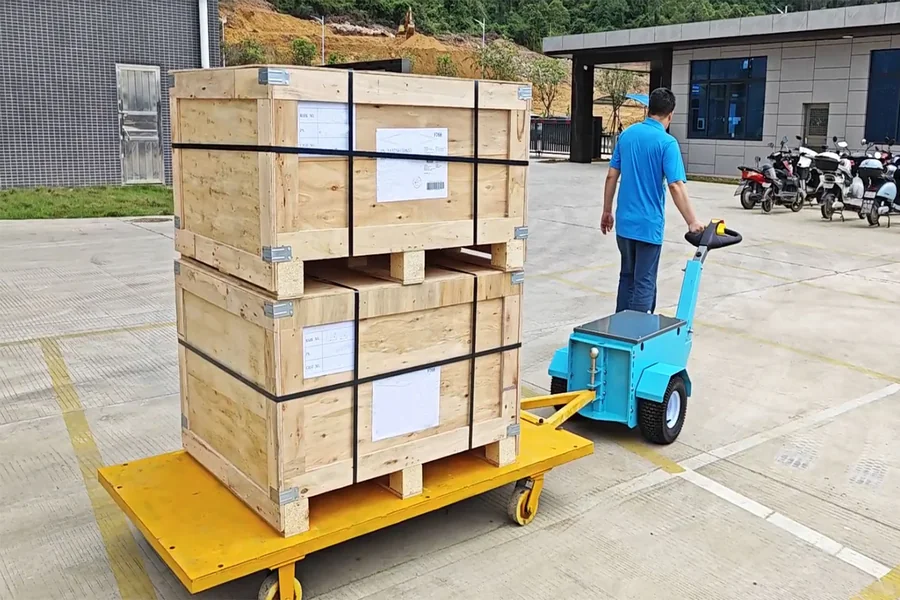
Electric tugs, sometimes referred to as electric tow tractors or battery-powered tugs, are motorized machines designed to move heavy loads with minimal human effort. Unlike traditional forklifts or pallet jacks, electric tugs are primarily used to tow or push heavy items on wheels, such as carts, trailers, or transport dollies, rather than lifting them. They are typically battery-operated, quiet, and designed to navigate tight spaces with ease, making them ideal for indoor environments. These highly efficient electric tugs offer a powerful and reliable solution for modern material handling needs.
Key Applications of Electric Tugs
The versatility of electric tugs allows them to be employed across various industries. In warehouses and distribution centers, they streamline the movement of goods between storage areas and shipping docks. By reducing the need for manual pushing or pulling, electric tugs not only improve operational efficiency but also minimize the risk of worker injuries caused by repetitive strain or overexertion.
In the healthcare sector, hospitals increasingly rely on electric tugs to transport heavy medical equipment, laundry, and food carts. The silent operation of these machines ensures minimal disruption in sensitive environments, while their compact design allows them to navigate narrow corridors and doorways safely.
Airports also benefit from electric tugs, particularly in the movement of luggage trolleys, maintenance equipment, and ground support vehicles. The ability to tow multiple carts simultaneously reduces turnaround times, ensuring smoother operations and enhanced passenger satisfaction.
Additionally, manufacturing plants and assembly lines use electric tugs to move parts and materials efficiently along production routes. This not only accelerates workflow but also reduces the reliance on forklifts, which can be cumbersome in confined spaces. Over time, many industries have adopted smarter material-handling solutions that evolve with the needs of the modern workplace. As technology continues to advance, companies increasingly look for innovations that improve safety, speed, and operational efficiency. Staying updated with these developments helps organizations remain competitive and prepared for future demands, much like how businesses adapt with the digital age of information and industry transformation.
Advantages of Electric Tugs
One of the most significant advantages of electric tugs is their impact on workplace safety. Manual towing or pushing of heavy loads can result in musculoskeletal injuries, strains, and accidents. Electric tugs minimize physical effort, allowing operators to move substantial loads safely and ergonomically. Many tugs feature intuitive controls, emergency stop buttons, and adjustable speed settings, further enhancing operator safety.
Environmental sustainability is another compelling advantage. Electric tugs run on rechargeable batteries, producing zero emissions during operation. Unlike diesel or gas-powered alternatives, they contribute to cleaner indoor air quality, an essential consideration for facilities with limited ventilation. The reduction in noise pollution also creates a more pleasant working environment, which can positively affect employee morale and productivity.
Operational efficiency is further enhanced by the ability of electric tugs to tow multiple carts or trailers simultaneously. This capacity dramatically reduces the number of trips needed to transport materials, saving time and labor costs. Additionally, their small footprint and maneuverability allow them to access areas that would be challenging for forklifts or other large vehicles.
Technological Advancements
Modern electric tugs are equipped with advanced features that optimize performance and usability. For instance, regenerative braking systems allow tugs to recover energy while decelerating, extending battery life and reducing operational costs. Smart battery management systems monitor power levels, ensuring that machines operate efficiently throughout long shifts.
Some electric tugs also incorporate automation and connectivity features. Fleet management software enables real-time tracking, maintenance scheduling, and usage analytics, helping managers optimize operations and reduce downtime. These technological enhancements position electric tugs not only as labor-saving devices but also as integral components of smart, data-driven facilities.
Economic Considerations
While the initial investment in electric tugs may be higher than manual trolleys or traditional push carts, the long-term benefits often justify the expenditure. Reduced labor costs, lower risk of workplace injuries, and minimized downtime contribute to a rapid return on investment. In addition, the longevity and low maintenance requirements of electric tugs make them cost-effective over time.
Many manufacturers offer a variety of models tailored to specific load capacities and operational needs. From small tugs designed for a few hundred kilograms to heavy-duty models capable of towing several tons, businesses can select equipment that aligns with their workflow and logistical requirements.
Challenges and Limitations
Despite their advantages, electric tugs are not without limitations. Battery life can be a constraint in high-intensity operations, necessitating the purchase of spare batteries or charging infrastructure. Certain models may struggle on uneven surfaces or inclines, limiting their use in outdoor or rugged environments. However, advancements in battery technology and motor power continue to address these concerns, expanding the applicability of electric tugs across diverse settings.
Future Outlook
The use of electric tugs is expected to grow significantly as industries prioritize efficiency, safety, and sustainability. With ongoing technological innovations, including automation, AI-assisted navigation, and enhanced battery solutions, electric tugs are likely to become even more versatile and capable. Integration with warehouse management systems and IoT devices will further enhance operational intelligence, allowing businesses to optimize material movement and reduce costs.
In conclusion, electric tugs represent a practical, eco-friendly, and efficient solution for modern material handling. Their ability to safely move heavy loads, reduce labor demands, and minimize environmental impact positions them as essential tools in warehouses, hospitals, airports, and manufacturing facilities. As industries continue to embrace automation and sustainability, the role of electric tugs will only expand, offering tangible benefits in productivity, safety, and operational excellence. Investing in electric tugs today is not just a matter of convenience—it is a strategic decision that aligns with the future of efficient, responsible, and safe material handling.
