
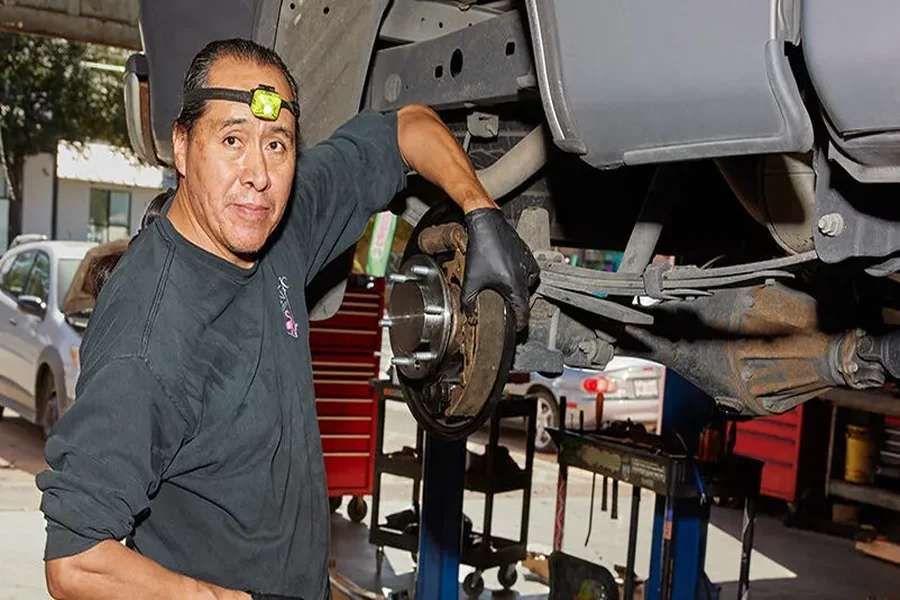
Modern vehicles are no longer simple machines—they are intricate systems of electronics, software, sensors, and precision engineering. While any certified technician can perform basic maintenance, mechanics who specialize in a particular brand understand the deeper nuances—the recurring patterns, common issues, and subtle signs of problems that others might miss.
For example, a mechanic who frequently works on Toyota vehicles knows which model years are prone to water pump wear, how hybrid battery systems behave over time, and the early indicators of transmission hesitation. That familiarity allows for faster diagnosis and more accurate solutions. The same applies if you own a European brand like BMW. BMW engines often require specialized diagnostic tools and a deep understanding of performance tuning. A general repair shop may be able to fix obvious issues, but a BMW specialist understands the brand’s engineering philosophy—and that matters.
Faster, More Accurate Diagnostics
One of the biggest advantages of having a mechanic who focuses on your vehicle brand is diagnostic efficiency. Cars today rely heavily on onboard computers and brand-specific software systems. Manufacturers frequently update their systems, and specialized mechanics invest in training and equipment to stay current.
If you bring a Ford truck into a shop that regularly services Ford vehicles, the technician likely has:
- Brand-specific scan tools
- Familiarity with technical service bulletins (TSBs)
- Knowledge of common failure points
- Access to manufacturer repair databases
Instead of spending hours investigating a problem, they may recognize it immediately. Time saved often equals money saved.
Long-Term Cost Savings
At first glance, brand-specific mechanics—especially independent specialists—may charge slightly higher labor rates. However, that doesn’t always mean you’ll pay more overall.
Misdiagnosis is expensive. Replacing the wrong part costs money. Repeating labor costs even more.
A specialist is less likely to “guess and replace.” They know patterns. They know which sensors commonly fail. They know when a noise is harmless and when it signals a serious issue.
Take Honda, for example. Many Honda engines are known for longevity but have specific timing belt service intervals. A Honda-focused mechanic will emphasize preventive maintenance at the correct mileage, helping you avoid catastrophic engine damage. Preventive knowledge is one of the biggest financial advantages of specialization.
Better Preventive Maintenance Planning
Different brands age differently. A mechanic who works regularly on Subaru vehicles understands the importance of monitoring head gaskets in certain older models. Someone familiar with Jeep vehicles knows to watch suspension components closely, especially if the vehicle sees off-road use.
A brand specialist tailors the maintenance plan based on:
- Model year trends
- Climate effects on that brand
- Engineering design patterns
- Owner usage habits
This tailored approach extends vehicle life and improves reliability.
Access to Quality Parts
Specialized mechanics often build strong relationships with suppliers who provide genuine or high-quality aftermarket parts specifically for that brand.
If you drive a Mercedes-Benz, for instance, not all aftermarket parts are equal. A brand specialist knows which parts maintain factory performance and which cheap alternatives could create problems. They may also have access to OEM (Original Equipment Manufacturer) parts at competitive prices due to long-standing supplier relationships. Using correct parts reduces compatibility issues and helps maintain resale value.
Software Updates and Technical Bulletins
Today’s vehicles are as much software-driven as they are mechanical. Brands frequently release technical service bulletins and firmware updates that address performance issues, recalls, or subtle drivability problems.
A mechanic specializing in Volkswagen vehicles will likely monitor updates related to DSG transmissions or turbocharged engines. They stay informed because those updates directly affect most of the vehicles they service. General repair shops may not always track brand-specific bulletins as closely, especially if they work across dozens of manufacturers. Staying current prevents minor issues from becoming major failures.
Stronger Mechanic-Owner Relationship
When you consistently work with a mechanic who specializes in your vehicle brand, you build a relationship grounded in shared understanding. They become familiar with:
- Your specific car’s repair history
- Your driving style
- Your maintenance preferences
- Your long-term ownership goals
This continuity leads to better recommendations. If you plan to keep your vehicle for 10 years, the maintenance strategy will differ from someone planning to trade in after three. Trust builds over time—and trust is invaluable when unexpected repairs arise.
When It Matters Most
Not every vehicle requires brand-specific care. If you drive an older, simple vehicle with widely available parts, a general mechanic may be perfectly sufficient. However, specialization becomes increasingly important when you own a luxury brand, a performance vehicle, a hybrid or electric vehicle, a turbocharged or high-tech engine, or a vehicle with known brand-specific quirks.
For example, a skilled Suzuki mechanic would know the common issues and maintenance needs for Suzuki vehicles that a general shop might miss. Similarly, Tesla vehicles require technicians trained in high-voltage battery systems and proprietary software. Not every shop can safely or properly service them.
Dealership vs. Independent Specialist
Some people assume brand-specific care means dealership service. While dealerships certainly specialize in their own brand, independent brand specialists often provide comparable expertise at lower prices.
An independent mechanic who focuses solely on Nissan vehicles, for instance, may have years of dealership experience but operate with lower overhead. That can mean personalized service and competitive rates. Dealerships have direct manufacturer support, while independent specialists may offer more flexibility and customer-focused communication. The best choice depends on your priorities.
The Bottom Line
Having a mechanic who specializes in your specific vehicle brand absolutely makes sense—especially as cars become more technologically advanced and brand engineering becomes more distinct.
Specialized mechanics offer:
- Faster diagnostics
- Better preventive maintenance
- Reduced long-term repair costs
- Access to proper parts
- Up-to-date software knowledge
- A stronger, more personalized service relationship
While general repair shops serve an important role and can handle many vehicles competently, brand expertise adds an extra layer of precision and confidence. Your vehicle is likely one of your biggest investments. Entrusting it to a skilled Suzuki mechanic or other brand-specific professional isn’t just convenient—it’s smart ownership.
