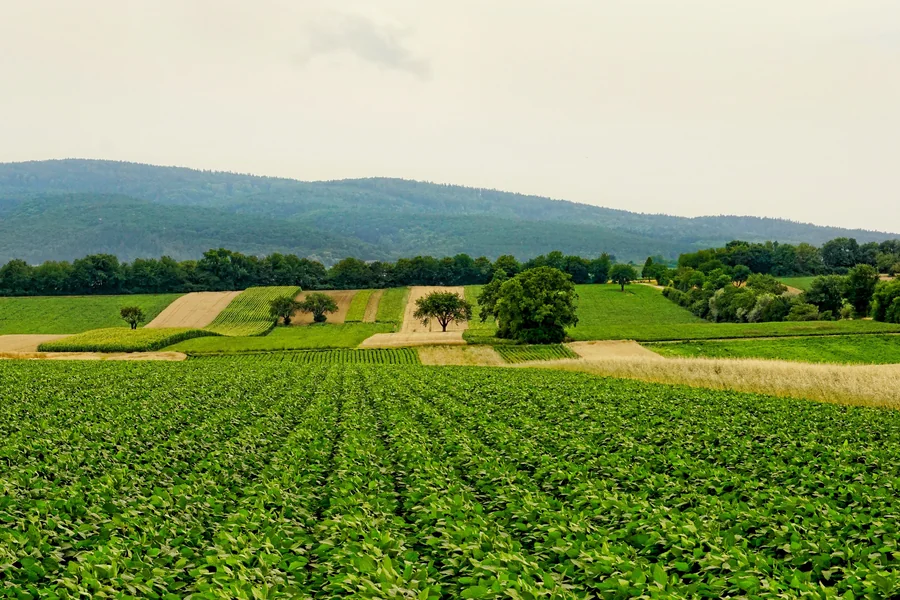
Farming is changing fast.
Agriculture has been one of the biggest sources of emissions, soil erosion, and water inefficiency for centuries. Thankfully, things are beginning to change. New technology is allowing farms to create higher yields with less input – and Earth is reaping the benefits.
Here’s the truth…
Sustainability in agriculture isn’t a luxury—it’s a necessity. Faced with increasing climate stress and growing global food demand, farmers around the world are implementing innovative technologies to run profitable and sustainable operations.
Discover precisely how innovation is helping make agriculture more sustainable. From small tractor attachments to AI-powered crop scouting.
Let’s jump in!
Inside this guide:
- Why Sustainability Matters In Farming Today
- How Compact Tractor Attachments Are Changing The Game
- The Rise Of Precision Agriculture
- Electric & Alternative Power On The Farm
- Smart Data Tools Driving Greener Results
Why Sustainability Matters In Farming Today
The numbers don’t lie.
Global agriculture has never faced more strain. Demand for food is rising. Water tables are continuing to decline. Soil is eroding faster than it can be replenished. Something has to give.
This is where sustainable technology helps. Through waste reduction and increased efficiency of inputs, sustainable farming practices allow farmers to:
- Lower fuel and chemical use
- Improve soil health
- Reduce greenhouse gas emissions
- Boost yields without expanding farmland
It’s a win for the planet and a win for the farmer’s bottom line.
How Compact Tractor Attachments Are Greening Farms
Want to know one of the most underrated greening technologies in agriculture?
Compact tractor attachments.
They allow one tractor to do all of the work of several — instead of needing five separate machines to plow, mow, seed, mulch, and till, a farmer can do all those tasks with just one vehicle. That cuts down on fuel usage, manufacturing pollution, and emissions at the farm itself.
Attachments for compact tractors can also be used for lower impact, smaller applications as well. Less impactful equipment creates less compaction which allows soil to sustain its ability to absorb water. Sustainability? Check. If you’re looking to learn about picking the perfect attachments for your operation, check out the guide on the top 5 kubota attachments every farmer should consider to start your research on the most efficient implements.
Some of the most eco-friendly compact tractor attachments include:
- Rotary tillers — prepare soil with fewer passes
- No-till seeders — plant directly into stubble to protect soil
- Boom sprayers — apply chemicals more accurately
- Mulchers — recycle plant matter back into the soil
- Front-end loaders — handle multiple jobs with one machine
Farmers can significantly lower their carbon footprint by exchanging attachments rather than whole tractors.
The Rise Of Precision Agriculture
Precision agriculture is taking over the industry…
And for a good reason: With GPS guidance, sensors, drones and data analysis, farmers can spray water, seed and fertilizer with pinpoint accuracy. Think less blanket spraying. Think less guessing.
It’s also backed by dollars. The global precision farming market size is expected to reach USD 14.18 billion in 2025 and USD 48.36 billion by 2035. Huge growth – and indicative of how committed the industry is to farming smarter.
Here’s why precision agriculture matters for sustainability:
- Less fertilizer runoff into nearby waterways
- Lower pesticide use thanks to targeted application
- Smarter irrigation that conserves water
- Higher yields from the same plot of land
Multiply that by millions of farms around the world and you can see the tremendous impact on the environment. It’s the kind of agricultural revolution the industry has been waiting for.
Electric & Alternative Power Solutions
Diesel tractors have powered agriculture for almost 100 years. Now that is starting to shift.
Cars aren’t the only vehicles being electrified. Manufacturers have started producing electric, hybrid, and hydrogen-fueled tractors which significantly reduce emissions. Battery-electric tractors have been found to be able to reduce emissions by 96.4% throughout their working lifecycle compared to diesel alternatives.
Here’s what’s driving the shift:
- Rising fuel costs make diesel less attractive
- Stricter government emissions rules
- Better battery tech that makes electric viable on the farm
- Solar charging stations that pair perfectly with daytime field work
They make the biggest difference to small farms. One full day of light farm field work on a small tractor can be accomplished on the electricity produced by the farmer’s own solar panels. Zero emission agriculture, as it exists today not as some futuristic dream.
And here’s the kicker…
Alternative power doesn’t just stop at tractors either. Robot weeders, drone sprayers and electric ATVs all work their way through tech-based farms today. Less fuel used, quieter operation and lower lifetime maintenance costs. Who knows, the efficiency improvements will continue to drive down price differences between electric and diesel.
Smart Data Tools Driving Greener Results
Data is the secret weapon behind sustainable farming.
Farmers are better informed about their fields today than they ever have been. Soil probes, satellite imagery, weather forecasting and yield mapping are just some of the tools that come together on one dashboard — providing growers with what their crops really need right when they need it.
Why does this matter for sustainability?
Guessing costs resources. Precision allows farmers to apply water, fertilizer or timing in just the right amounts, not too much that runoff contaminates rivers or leaches the soil.
Some of the most powerful smart data tools include:
- IoT soil sensors that track moisture and nutrients
- Drone scouting to spot pests before they spread
- AI yield prediction to plan harvests better
- Satellite-based mapping for field-level decisions
Once only large-scale industrial farms had access to this type of technology. But now even the smallest family farms can afford entry level models of these tools. That allows sustainable agriculture to happen on any size farm – from tiny one acre farms to larger scale thousand acre row crop farms.
That’s a game changer.
Final Takeaways
Green tech is no longer optional. It’s quickly becoming the norm for today’s farms. The debate isn’t about IF you should go green… it’s about WHERE to begin.
The best news? You don’t have to change everything about your operation to go green. Here are a few simple ways to start:
- Adding compact tractor attachments to reduce your equipment count
- Using precision tools to cut chemical waste
- Switching to electric or hybrid power where it makes sense
- Using data to make smarter daily decisions
Agriculture is going to be green, smart, and efficient. Farmers who leverage these technologies now will be the farmers that prosper for decades to come.
If you operate a hobby farm of 5 acres or a commercial ranch of 5,000. There has never been a more ideal time to implement sustainable technology into your operation. Begin with one enhancement. Quantify the improvement. Then layer on additional improvements.
The planet will thank you — and so will your bottom line.