
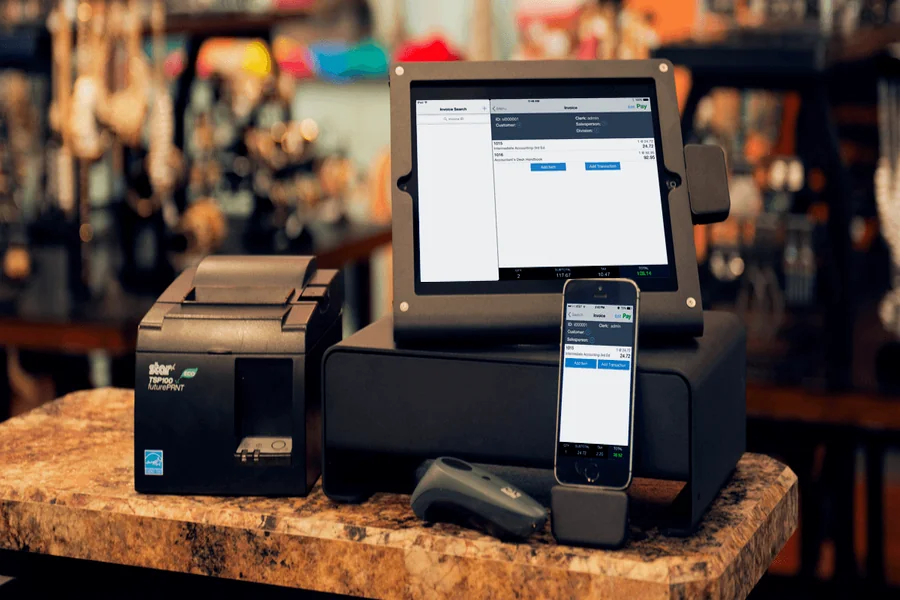
In retail business organizations, there is one thing that is for sure: when the POS system stops working, everyone in the store knows it. Billing slows, inventory stops updating, and long checkout lines start forming. Modern point of sale software connects sales data, stock management, staff management, and customer data. This is why many retailers outsource Java development for POS systems.
Outsourcing is not just about finding programmers; it is about finding individuals who understand retail chains and their requirements. Java is used in Java POS system development because of its ability to offer scalable platforms.
Why Retail Chains Still Bet on Java for POS
Retail technology has to be fast and reliable to meet demand during peak hours. For this reason, many retail chains rely on a Java based POS system to run their operations. Java is known to be stable, secure, and supports multiple platforms to enable smooth operation of systems on various devices.
Retailers also find it convenient to use Java-based sales models, especially when expanding to new stores. With a reliable Java sales model, it is possible to support real time transaction processing. Java is also known to be mobile-friendly with various mobile tools and cloud POS platforms, thus an ideal solution for any retail chains.
What a Good POS Partner Must Understand First
Before writing code, a POS development partner must understand how retail stores function daily. Checkout workflows include:
- Barcode scanning
- Discount calculations
- Automatic receipt printing after payment
- Inventory management updates
- Customer data capture for loyalty programs
Chain retailers also need complete store management systems that connect multiple outlets. This means there is a need to keep pricing and stock levels synchronized across multiple outlets using multi store integration. The developers should also understand customer data management to ensure accurate records are kept.
In short, chains should not hire a generic software team. They need experts experienced in retail application development who know the realities of store operations.
Big Questions to Ask Before Outsourcing
Before signing any outsourcing agreement, retail chains should ask a few important questions. Consider this a quick POS development checklist to avoid future problems.
-
Have they built retail systems before?
Generally, POS system development is quite different from developing regular applications.
-
Can they handle payments safely?
They should have enough expertise in payment processing and connecting them to secure payment gateways.
-
Do they understand compliance rules?
If they are developing POS systems that will allow customers to make card payments, they should have enough knowledge about PCI DSS compliance.
-
Can they connect with other tools?
For modern POS systems, it is necessary to have connections with other systems such as ERP systems, CRM platforms, accounting software, e-commerce platforms, and loyalty programs via API integrations.
-
How do they test performance?
They should have enough expertise in testing their applications during peak hours.
-
What happens after launch?
For retail companies, it is necessary to have enough expertise in handling retail software.
These questions help retailers avoid expensive surprises later.
The Features Retail Chains Cannot Afford to Miss
Modern POS platforms must continue working even when internet connections fail. A strong Java POS system development strategy includes features like
- Offline mode support so sales continue during internet failures
- Automatic database synchronization once connectivity returns
- Live inventory management updates across all stores
- Smooth multi store integration for centralized control
Retail teams also need fast and simple point of sale software so employees can complete transactions quickly.
If retailers outsource Java development without reviewing these basics, systems may struggle in real store environments.
Integration, Growth, and Reporting Matter Too
A POS system should never operate in isolation. It should connect smoothly with other retail tools.
A strong Java based POS system can integrate with:
- Loyalty programs that reward repeat customers
- Central customer data management systems
- Online stores and mobile shopping apps
- Tax reporting and accounting tools
- Advanced retail analytics platforms
For example, analytics dashboards can show which products sell best, what time stores get busy, and which promotions drive more revenue.
Java can also be integrated with cloud POS platforms which can provide retailers with real-time monitoring of their stores.
As businesses grow, it should be easy to scale up from 10 stores to 100 stores and beyond without the system becoming too complex and unstable.
Common Mistakes Retail Chains Make
Even experienced retailers sometimes make mistakes when outsourcing POS development.
Here are a few common ones:
1. Choosing the cheapest development team
Low cost often means limited expertise. A cheap team may struggle with complex store management systems.
2. Ignoring retail domain experience
While retail business processes are unique, developers without retail expertise might overlook important details like discount rules or refund handling.
3. Forgetting security requirements
POS systems must handle payments safely. Without strong and secure payment gateways, businesses are vulnerable to data breaches.
4. Skipping future integrations
Retailers often expand their tech stack later. If the system cannot support new API integrations, growth becomes difficult.
5. Not planning for offline sales
Internet outages happen. Without offline capabilities, stores may stop selling completely.
Conclusion
Outsourcing POS development is a wise decision for retail businesses. This is because a good POS system should be able to perform transactions fast, update stock levels correctly, and provide a secure way of processing transactions. This is why most businesses opt for Java POS system development.
Selecting a suitable partner in retail application development is essential in developing a retail POS system that is efficient in terms of checkout time, secure, and enhances customer experience.
