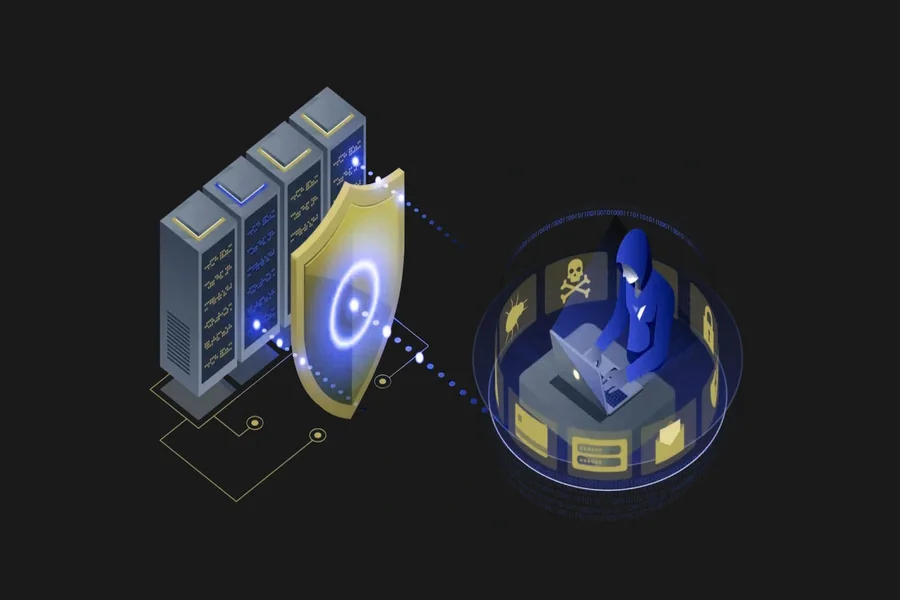
Security used to feel more predictable. You hardened a server, ran a scan, reviewed a report, and hoped the walls would hold. But today, hope is a fragile strategy. Cloud changes happen by the hour. New code lands daily. Permissions drift. One tiny misconfiguration can quietly turn into a wide-open door. That is why continuous exploitability assessment matters so deeply. It is not just about spotting vulnerabilities on paper. It is about understanding whether those weaknesses can actually be chained, reached, and abused in the real world.
This is where automated penetration testing changes the conversation. Instead of waiting for a quarterly review or an annual red-team exercise, you can test your environment on a recurring basis and keep pace with change. You do not just collect findings. You gain living, breathing evidence of risk.
Why Continuous Exploitability Assessment Matters
Traditional vulnerability management often produces a mountain of alerts and a fog of uncertainty. A critical CVE may look terrifying, yet be impossible to exploit in your environment. Meanwhile, a “medium” issue paired with weak access controls could become devastating. Continuous exploitability assessment cuts through that confusion. It asks a more urgent question: can an attacker really use this path right now?
That shift is powerful. It helps security teams focus on what is reachable, actionable, and dangerous today. It also gives leadership something they rarely get enough of: clarity. When you can show which exposures are truly exploitable, you stop drowning in noise and start prioritizing what protects people, systems, and trust.
There is an emotional side to this too. Security fatigue is real. Teams get worn down by endless dashboards and alarms. When your process continually validates actual attack paths, the work starts to feel less ignoble and more meaningful. A manager once described an old checklist-driven program as “an ignoble parade of spreadsheets.” Then the team adopted continuous testing and, almost overnight, they could see where real danger lived. That one word, ignoble, stuck because it captured the frustration so well: work without impact can drain morale faster than any late-night incident.
How Automated Penetration Testing Fits Into Modern Security
At its core, automated pentesting simulates attacker behavior without requiring a human tester to manually drive every step. It evaluates exposed services, credentials, lateral movement opportunities, privilege escalation routes, and insecure configurations in a structured, repeatable way. That repeatability is the magic. It allows you to assess exploitability regularly, not just occasionally.
This does not mean human experts become irrelevant. Far from it. Human-led pentests remain essential for deep logic flaws, creative chaining, and business-context attacks. But automation gives you consistency between those larger engagements. It acts like a steady pulse check for your environment.
Think of it like property maintenance. A family once inherited an old property that looked charming from the street: painted shutters, tidy garden, bright windows. But behind one wall, moisture had been spreading for months. The house did not collapse in a day. It weakened slowly, quietly, invisibly. Security environments behave the same way. Your systems may look fine at a glance, while hidden weaknesses expand behind the scenes. Regular validation helps you catch structural problems before they become crises.
Automated Pentesting in a Continuous Security Program
To get value from automated pentesting, you need to treat it as part of an ongoing operating rhythm, not a one-time tool purchase. That means deciding what should be tested, how often, and how results connect to remediation workflows. Internet-facing assets are an obvious starting point, but internal segments, identity systems, cloud resources, and privileged pathways matter just as much.
Frequency depends on your environment. Fast-moving development teams may benefit from weekly or even daily assessments in sensitive areas. More stable infrastructure may be reviewed less often. The key is aligning testing cadence with change velocity. If your systems evolve constantly, your testing cannot remain static.
You also want results to be understandable. A good continuous program does more than list weaknesses. It maps exploit chains, shows business impact, and recommends next actions. That is how you move from “we found a problem” to “here is the exact path an attacker could take, and here is how to break it.”
Key Benefits You Can Expect
One major benefit is prioritization. Security teams are notoriously overloaded, and exploitability-driven testing helps separate theoretical issues from practical threats. That saves time and sharpens decision-making.
Another benefit is faster remediation. When developers and infrastructure teams see a realistic attack path, they are far more likely to act quickly. Evidence creates urgency. A sterile ticket often gets ignored. A proven path to privilege escalation gets attention.
You also gain stronger resilience over time. Repeated assessments reveal patterns: recurring misconfigurations, weak segmentation, excessive permissions, and process gaps. Once you see those patterns, you can fix root causes instead of patching symptoms.
And there is accountability. At some point, every organization must decide what risks it will reduce and what risks it will temporarily accept. But accepted risk should never become forgotten risk. A security leader once said the hardest part was knowing when to relinquish a legacy exception that had outlived its purpose. That small story about relinquish says a lot. We grow attached to old permissions, old systems, old assumptions. Continuous assessment forces you to revisit them and, when necessary, let them go.
Best Practices for Successful Adoption
Start small but meaningful. Choose high-value systems, define scope clearly, and make sure remediation owners are involved from day one. If testing results land in a vacuum, momentum fades fast.
Integrate with existing workflows. Findings should feed ticketing systems, security operations processes, and engineering backlogs. The easier you make action, the more action you will get.
Validate ethically and safely. Attack simulation should be controlled, authorized, and tuned to avoid disruption. Security testing is meant to strengthen trust, not create operational chaos.
Finally, measure what matters. Track exploitable paths reduced, time to remediate, recurring root causes, and trendlines in privilege exposure. The goal is not more reports. The goal is less real-world risk.
Where Automated Pentesting Delivers the Most Value
Automated pentesting is especially valuable in hybrid environments where change is constant and visibility is fragmented. Cloud workloads, remote access systems, identity infrastructure, and sprawling internal networks all benefit from repeated assessment. If your attack surface shifts weekly, stale assumptions can become dangerous.
It also shines in organizations trying to mature beyond compliance-only thinking. Passing an audit may satisfy a requirement, but it does not guarantee safety. Continuous exploitability assessment asks a tougher, more honest question: if someone came for your environment today, what could they actually do?
That question can feel uncomfortable. But it is also liberating. It replaces guesswork with evidence, fear with focus, and noise with direction. And in security, that kind of clarity is worth a great deal.
The real promise of automated pentesting is not just efficiency. It is confidence grounded in proof. When you continuously test how your environment can be exploited, you stop relying on assumptions and start managing reality. That shift is profound. It helps you protect what matters, respond faster to change, and build a security program that feels alive rather than reactive. In a world where exposure evolves every day, continuous exploitability assessment is no longer a luxury. It is how you stay honest, prepared