
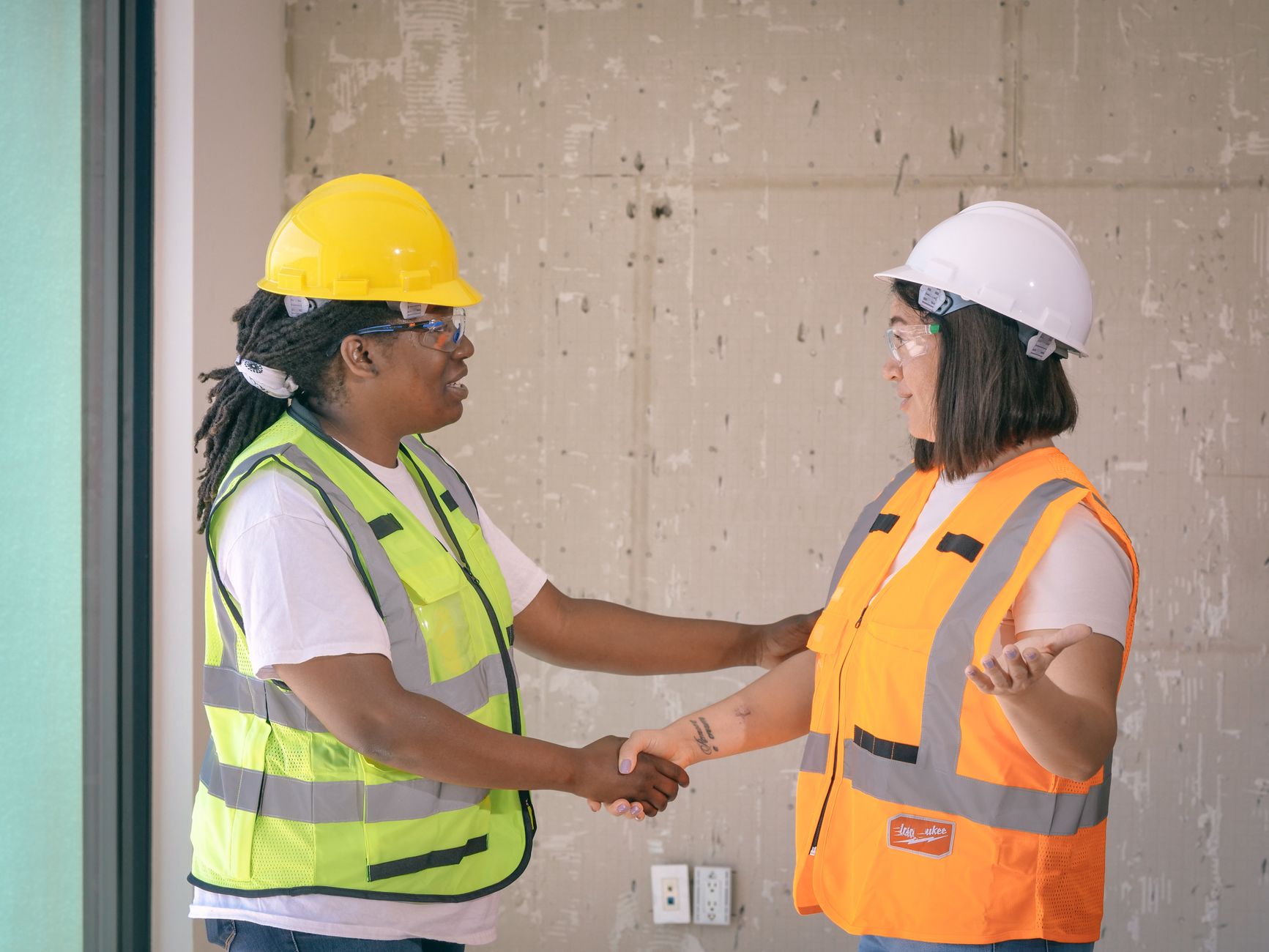
Modern supply chain management requires balancing speed, cost efficiency, and environmental sustainability. For years, businesses heavily relied on distant manufacturing hubs and offshore engineering providers to lower immediate labor expenditures. However, extended transit networks introduce significant vulnerabilities, including unpredictable shipping bottlenecks, high freight costs, and heavy carbon footprints. By shifting focus toward regional technical partnerships, forward-thinking organizations are drastically streamlining their logistics. Working directly with local engineering teams shortens physical supply lines, dramatically reduces transit delays, and slashes transport-related emissions.
Extended Global Logistics
- Long sea/air freight transit
- High emissions per transported unit
- High risk of port & customs delays
- Vulnerable to fuel price spikes
Regional Engineering Partnership
- Rapid local delivery & on-site support
- Minimal transit fuel & carbon output
- Direct oversight with zero import lag
- Predictable, low-impact supply chain
Overcoming Geographic Friction in Technical Procurement
The primary cause of project delay in technical procurement is physical distance. When custom components, heavy machinery retrofits, or structural fabrications travel across oceans, they pass through multiple friction points: international shipping lines, customs inspections, and multi-stage freight transfers. Partnering with nearby technical specialists eliminates these middle steps. For example, collaborating with experienced engineering companies Hobart businesses rely on ensures that critical parts, spatial surveys, and equipment modifications are handled locally. Urgent replacement parts or custom-fabricated jigs can arrive on-site within hours rather than weeks, keeping projects on schedule and preventing costly downtime.
Beyond time savings, local engineering partnerships yield immediate carbon reductions. Cargo ships, long-haul freight trucks, and cargo aircraft generate substantial greenhouse gas emissions per kilometer traveled. When heavy industrial components travel thousands of miles, their embodied carbon footprint increases significantly long before they are installed. Sourcing engineering design, component fabrication, and material testing locally drastically reduces total vehicle miles traveled. Shorter transport distances mean lower fuel consumption, helping businesses hit their scope 3 emissions targets while supporting cleaner community air quality.
| Logistics Metric | Offshore Procurement | Local Engineering Partner | Operational Impact |
| Lead Times | Weeks to Months | Hours to Days | Faster project turnaround |
| Freight Emissions | High (Multi-modal transit) | Minimal (Short-haul road) | Direct carbon reduction |
| Communication | Time-zone delays | Same-day, on-site meetings | Rapid issue resolution |
| Supply Reliability | Vulnerable to global shocks | Resilient & accessible | Uninterrupted workflows |
Enhancing Operational Agility and Troubleshooting
Proximity also transforms the troubleshooting and quality assurance process. When a custom design requires revision or an unexpected tolerance issue occurs on the factory floor, distant suppliers require lengthy communication loops, photographic evidence, and expensive return shipments. Local engineers, by contrast, can arrive on-site, inspect the issue firsthand, and perform adjustments in real time. This immediate feedback loop eliminates back-and-forth freight trips, saving both administrative energy and transit fuel.
Additionally, working with local engineering firms encourages regional material sourcing. Nearby engineering teams possess deep knowledge of local material availability, regional fabrication standards, and nearby suppliers. They actively design components around readily accessible local resources, avoiding reliance on hard-to-source imported alloys or specialized imports. This localized design philosophy keeps capital circulating within the regional economy while building a lean, resilient supply chain capable of weathering global trade disruptions.
Ultimately, partnering with regional engineering teams turns logistical vulnerabilities into competitive strengths. By minimizing transport distances, businesses avoid unpredictable freight delays and significantly lower their carbon output, proving that environmental responsibility and operational efficiency go hand in hand.
Expanding the Local Advantage: Core Operational Pillars
To understand why local engineering partnerships yield higher operational velocity, it helps to examine the core mechanisms that drive these gains. Moving from an international model to a localized hub changes not just shipping times, but the entire lifecycle of industrial design, testing, deployment, and ongoing maintenance.
1. Real-Time Prototyping and Iterative Design
In classic offshore engineering models, the prototyping phase represents one of the largest time sinks. A design is generated locally, sent overseas for sample fabrication, shipped back across customs lines, inspected, and frequently rejected due to minor dimensional discrepancies or material misunderstandings. Each revision cycle can consume anywhere from three to eight weeks.
Local partnerships convert this linear, slow-motion loop into an agile, rapid-prototyping environment:
- Immediate Physical Iteration: Draft designs can be 3D-printed, machined, or assembled in short-run production facilities just miles away.
- Hands-on Design Reviews: Engineers and plant managers can stand around the same workbench to review physical components, testing fit and tolerance in real-time.
- Reduced Scrap and Waste: Catching a geometry error during the initial physical review prevents entire production batches of flawed parts from being manufactured and shipped across the globe, cutting down both material waste and wasted transport energy.
2. Scope 3 Emissions Transparency and Compliance
Regulatory frameworks around corporate sustainability are tightening globally. Organizations are increasingly held accountable not just for their direct energy usage (Scope 1) or indirect energy purchases (Scope 2), but for the full footprint of their supply chain (Scope 3).
Offshore logistics present significant reporting challenges due to fragmented transport legs, third-party freight forwarders, and variable fuel standards across international waters. Localized technical operations simplify carbon accounting:
- Verifiable Direct Transport: Short-haul road transport provides straightforward fuel and mileage tracking, eliminating complex carbon estimations for international ocean or air freight legs.
- Cleaner Regional Grids: Local engineering firms operating on modern, regional energy grids often utilize a higher percentage of renewable power compared to high-emission manufacturing hubs overseas.
- Simplified Compliance Audits: Proximity allows sustainability teams to conduct direct, on-site environmental audits of their engineering partners, verifying sustainable material sourcing and waste disposal practices firsthand.
3. Strengthening Supply Resilience Against Macro Disruptions
Global trade systems are subject to macro-level vulnerabilities that individual businesses cannot control. Extreme weather events, political instability, maritime route blockades, and sudden tariff adjustments can instantly halt overseas lines of supply.
A localized strategy creates structural resilience:
- Buffer Against Freight Volatility: When ocean container rates skyrocket or air cargo space becomes constrained, local supply chains remain isolated from international pricing shocks.
- Inventory Minimization (Lean Operations): Reliable, short-distance transport allows companies to adopt true Just-in-Time (JIT) manufacturing without the risk of extended stockouts, freeing up working capital that would otherwise be tied up in massive safety-stock warehouses.
- Knowledge Preservation: Working closely with regional engineering partners keeps specialized technical expertise within the local ecosystem, ensuring that custom machinery, legacy system knowledge, and specialized tooling remain accessible for emergency repairs.