
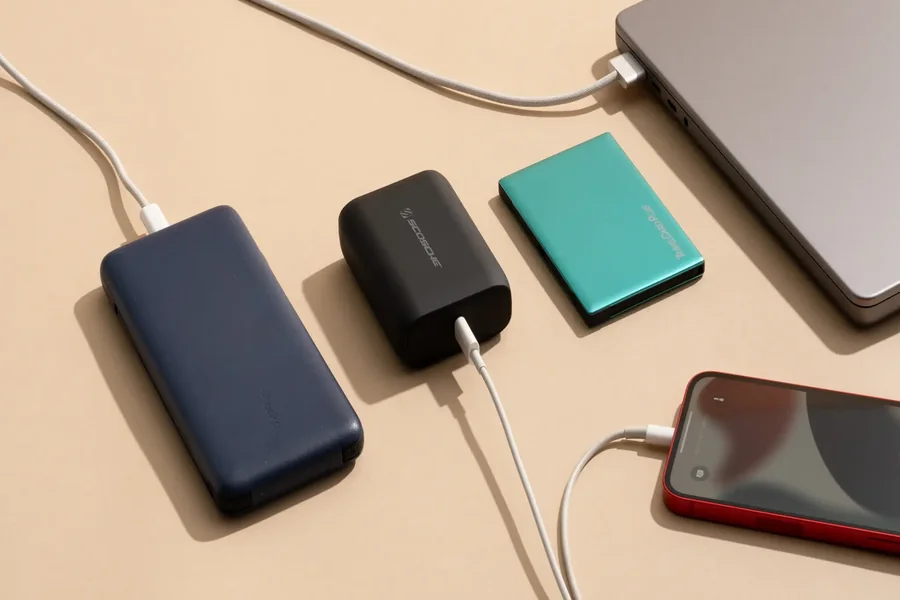
Cordless outdoor power equipment has become the preferred choice for many homeowners, but the performance of any battery-powered tool depends just as much on its charging system as the battery itself. After more than a decade of evaluating lawn equipment and battery technology, I’ve found that people often focus on battery capacity while overlooking the charger. That’s a mistake because a quality charger not only reduces downtime but also plays a major role in protecting battery health.
Whether you’re maintaining a single mower or building a collection of cordless tools, choosing the right battery chargers can improve efficiency, extend battery lifespan, and provide greater confidence that your equipment is always ready when you need it. Understanding the features that matter most helps you invest in a charging system that balances speed with long-term reliability.
Why a Smart Charging System Matters More Than Raw Charging Speed
Everyone appreciates a charger that gets batteries back to full power quickly, but speed should never come at the expense of battery health.
A well-designed charging system carefully manages voltage, current, and temperature throughout the charging process. Rather than forcing maximum power into the battery from start to finish, smart chargers adjust charging rates automatically as the battery approaches full capacity.
This controlled approach helps reduce heat buildup, minimizes unnecessary stress on lithium-ion cells, and supports consistent performance over hundreds of charging cycles.
Understanding the Difference Between Standard and Fast Charging
Not all charging systems operate the same way.
Standard Chargers
Best suited for:
- Occasional equipment use
- Overnight charging
- Smaller battery packs
- Homeowners with flexible schedules
These chargers prioritize gradual charging, which may generate less heat.
Fast Chargers
Ideal for:
- Frequent lawn maintenance
- Multiple cordless tools
- Larger properties
- Professional or heavy residential use
Modern fast chargers use advanced electronics to recharge batteries efficiently while incorporating safeguards that protect battery longevity.
The best fast chargers strike a balance between convenience and long-term battery care rather than simply delivering the highest charging rate.
Compatibility Should Be Your First Buying Consideration
Before comparing charging speeds or additional features, verify compatibility.
Look for chargers that match:
- Battery voltage
- Battery chemistry
- Manufacturer specifications
- Platform compatibility across multiple tools
Many cordless equipment platforms allow a single charger to support multiple batteries, making it easier to manage everything from lawn mowers to hedge trimmers and leaf blowers.
Choosing a compatible charging ecosystem can simplify equipment ownership while reducing the number of chargers you need.
Advanced Safety Features Protect Both the Battery and the User
Modern lithium-ion batteries rely on intelligent electronics to operate safely.
Quality charging systems typically include:
- Overcharge protection
- Temperature monitoring
- Short-circuit protection
- Overcurrent protection
- Automatic shutoff
- Battery diagnostics
These safeguards help prevent overheating while protecting battery performance over time.
Many premium chargers continuously monitor battery temperature during charging and temporarily slow or pause the process if conditions become unfavorable.
Temperature Management Extends Battery Lifespan
Heat is one of the primary factors affecting lithium-ion battery longevity.
Charging systems that actively monitor temperature can significantly reduce unnecessary wear.
Good chargers often:
- Delay charging until hot batteries cool
- Adjust charging speed automatically
- Prevent charging in extreme temperatures
- Maintain stable charging conditions
These features become especially valuable during summer mowing season when batteries may already be warm from extended use.
LED Indicators and Battery Diagnostics Improve Convenience
Simple status indicators can save time and reduce uncertainty.
Helpful charger displays include:
- Charging progress
- Fully charged confirmation
- Battery fault alerts
- Temperature warnings
- Maintenance notifications
Some advanced charging systems also communicate directly with the battery’s internal management system, identifying issues before they affect performance.
These diagnostic capabilities make troubleshooting much easier than relying solely on trial and error.
Charging Time vs. Battery Capacity: Finding the Right Balance
Many homeowners assume the fastest charger is always the best choice.
However, charging time should be evaluated alongside battery size and usage patterns.
For example:
- Small batteries recharge quickly even with standard chargers.
- Larger batteries benefit more from rapid charging technology.
- Homeowners with multiple batteries may rotate packs instead of relying on extremely fast charging.
Selecting the right combination depends on how frequently your equipment is used and how much downtime you can tolerate.
Practical Tips for Safe Everyday Charging
A few simple habits help maximize charging performance and battery longevity.
- Charge batteries in a dry, well-ventilated area.
- Allow warm batteries to cool before charging.
- Use only manufacturer-approved charging equipment.
- Keep charging contacts clean.
- Avoid exposing chargers to moisture.
- Disconnect damaged chargers immediately.
These practices reduce unnecessary stress on both the charger and the battery while improving overall safety.
Common Mistakes That Shorten Battery and Charger Life
Even experienced users sometimes develop habits that affect charging performance.
Using Incompatible Chargers
Chargers designed for different battery systems may not communicate properly with the battery’s protection electronics.
Charging in Extreme Temperatures
Very hot or very cold conditions can reduce charging efficiency and increase battery wear.
Blocking Charger Ventilation
Chargers require airflow to dissipate heat.
Covering vents or charging inside enclosed spaces may increase operating temperatures.
Ignoring Physical Damage
Frayed power cords, cracked housings, or damaged connectors should be addressed immediately rather than continuing to use the charger.
A Quick Checklist Before Buying a Battery Charger
Before making a purchase, ask yourself these questions:
- Is the charger compatible with my battery platform?
- Does it include overcharge and temperature protection?
- How quickly do I realistically need batteries recharged?
- Will I use multiple cordless tools with the same charger?
- Does the charger provide battery diagnostics?
- Is the charging system supported by future battery upgrades?
Answering these questions helps ensure the charger meets both your current and future equipment needs.
Fast Charging vs. Long-Term Battery Health
One concern many homeowners have is whether rapid charging shortens battery life.
Modern charging systems have largely addressed this issue through intelligent charging algorithms that regulate current and temperature throughout the charging cycle.
When paired with compatible lithium-ion batteries, quality fast chargers provide significantly shorter charging times while maintaining excellent long-term battery performance.
The key is choosing a charger designed specifically for your battery system rather than focusing solely on charging speed.
Final Thoughts
A battery charger is much more than a simple accessory—it’s an essential part of your cordless equipment system. Features such as smart charging algorithms, temperature management, compatibility, safety protections, and diagnostic capabilities all contribute to faster charging and healthier batteries over the long term.
Rather than choosing the quickest charger available, prioritize a system that balances speed with intelligent battery care. That investment can improve equipment reliability, extend battery lifespan, and reduce replacement costs over years of regular use.
Frequently Asked Questions
Do fast battery chargers damage lithium-ion batteries?
Not when they’re designed for compatible battery systems. Modern smart chargers regulate charging speed and temperature to protect battery health.
Can I leave my battery on the charger overnight?
Many smart chargers automatically stop active charging when the battery reaches full capacity. Follow the manufacturer’s recommendations for storage and charging.
Why does my charger pause during charging?
Some chargers temporarily stop charging if the battery is too hot or too cold. This helps protect the battery and maintain long-term performance.
Is one charger enough for multiple outdoor tools?
If the tools share the same battery platform and voltage, a compatible charger can often support multiple batteries across different types of equipment.
Where can I learn more about battery charging safety?
The U.S. Consumer Product Safety Commission (CPSC) provides guidance on battery safety, while the U.S. Department of Energy offers educational resources on lithium-ion battery technology and energy storage.
