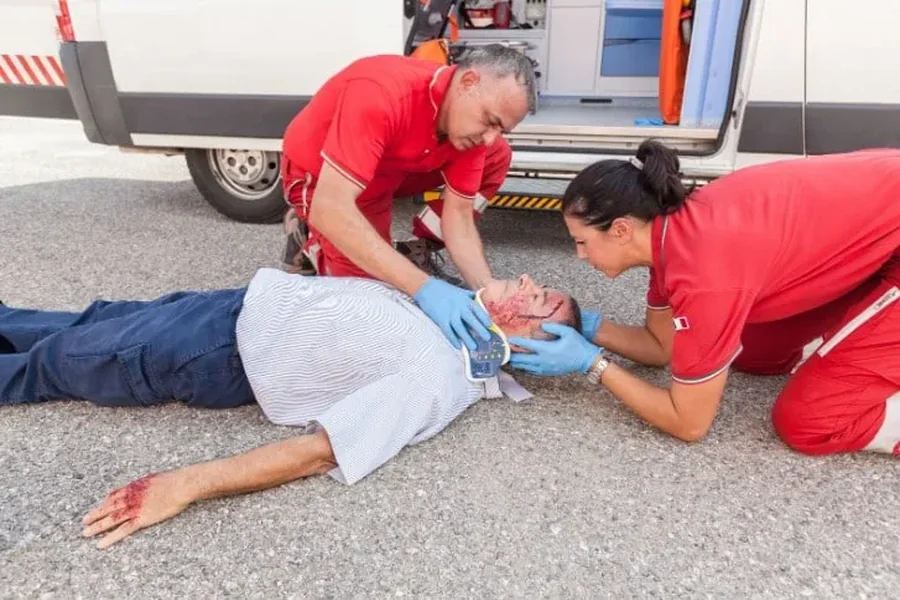
In emergency situations, knowing how to perform a head-to-toe first aid check can be crucial. This comprehensive assessment helps identify injuries and determine the necessary steps to take before professional medical help arrives. Whether you’re dealing with a minor injury or a more serious condition, understanding the basics of a thorough examination can make a significant difference. This guide will walk you through the essential steps of conducting a head-to-toe check, ensuring you are prepared to handle various scenarios with confidence and care. By mastering these skills, you can provide effective assistance in critical moments.
Essential Steps for a Thorough Assessment
Initial Observations and Safety
Before approaching an injured person, it’s vital to ensure the scene is safe for both you and the victim. Look for any potential hazards such as traffic, fire, or unstable structures that could pose additional risks. Once the area is secure, approach the person calmly and introduce yourself, explaining that you are there to help. This initial interaction can help reassure the injured individual and establish trust. Observe their overall condition, noting any obvious signs of distress, bleeding, or unconsciousness. Check for responsiveness by gently tapping their shoulder and asking if they can hear you. If they respond, assess their ability to communicate and breathe normally. If they are unresponsive, prioritize calling emergency services immediately. Remember, your safety and the safety of the injured person are paramount, so always be cautious and aware of your surroundings.
Head and Neck Examination
Begin the head-to-toe assessment by carefully examining the head and neck area. Look for any visible injuries such as cuts, bruises, or swelling. Gently feel the scalp for any bumps or depressions that might indicate a fracture. Check the eyes for pupil size and reaction to light, as unequal pupils can be a sign of head trauma. Assess the ears and nose for any fluid discharge, which could suggest a skull fracture. Move on to the neck, feeling for tenderness or deformities that might indicate a spinal injury. It’s crucial to avoid moving the head or neck if a spinal injury is suspected, as this could exacerbate the condition. If the person is wearing a helmet, do not attempt to remove it unless absolutely necessary, as this could cause further harm. By conducting a thorough examination of the head and neck, you can identify critical injuries that require immediate attention.
Chest and Abdomen Check
After assessing the head and neck, proceed to examine the chest and abdomen. Look for any signs of trauma such as bruising, cuts, or deformities. Observe the person’s breathing pattern, noting any irregularities or difficulty in breathing. Place your hands gently on the chest to feel for any abnormal movements or tenderness. Listen for unusual sounds like wheezing or gurgling, which could indicate respiratory distress. Move to the abdomen, checking for any swelling, rigidity, or pain upon touch. These symptoms could suggest internal injuries or bleeding. It’s important to be gentle during this examination to avoid causing additional pain or injury. If you notice any severe symptoms, such as difficulty breathing or intense abdominal pain, seek medical assistance immediately. A careful assessment of the chest and abdomen can help identify life-threatening conditions that need urgent care.
Limb and Extremity Evaluation
Continue the assessment by examining the limbs and extremities. Start with the arms, checking for any visible injuries such as cuts, bruises, or deformities. Gently feel along the length of each arm, noting any areas of tenderness or swelling. Ask the person to move their fingers and wrists, if possible, to assess their range of motion and strength. Repeat the process with the legs, looking for similar signs of injury. Pay attention to any differences in temperature or color between the limbs, as this could indicate circulation issues. Encourage the person to wiggle their toes and move their ankles to evaluate their mobility. During this examination, be mindful of any complaints of pain or discomfort, as these could signal underlying injuries. By thoroughly evaluating the limbs and extremities, you can identify potential fractures or dislocations that require further medical attention.
Short Paragraph on Importance of Training
Understanding how to perform a head-to-toe first aid check is a valuable skill that can be enhanced through training. Enrolling in first aid classes Calgary can provide you with the knowledge and confidence to handle emergencies effectively. These classes offer hands-on experience and practical insights into various first aid techniques, ensuring you are well-prepared to assist in critical situations. By investing in your training, you can make a positive impact in your community and potentially save lives.
Monitoring and Reassessment
Once the initial assessment is complete, it’s important to continuously monitor the injured person’s condition. Keep an eye on their vital signs, such as breathing and pulse, and watch for any changes in their level of consciousness. Reassess any injuries you identified earlier, checking for any signs of deterioration or improvement. If the person’s condition worsens, be prepared to provide additional assistance or call for emergency services if you haven’t already done so. Communication is key during this stage, so keep the person informed about what you are doing and reassure them that help is on the way. Monitoring and reassessment are crucial components of first aid, as they ensure that the injured person receives the appropriate care until professional help arrives.
Conclusion
Performing a head-to-toe first aid check is an essential skill that can make a significant difference in emergency situations. By following a systematic approach, you can identify injuries and provide the necessary care to stabilize the injured person until medical professionals take over. Remember to prioritize safety, both for yourself and the victim, and to communicate clearly throughout the process. Continuous monitoring and reassessment are vital to ensure the person’s condition does not deteriorate. With practice and training, you can become proficient in these techniques, equipping yourself to handle emergencies with confidence and care.