
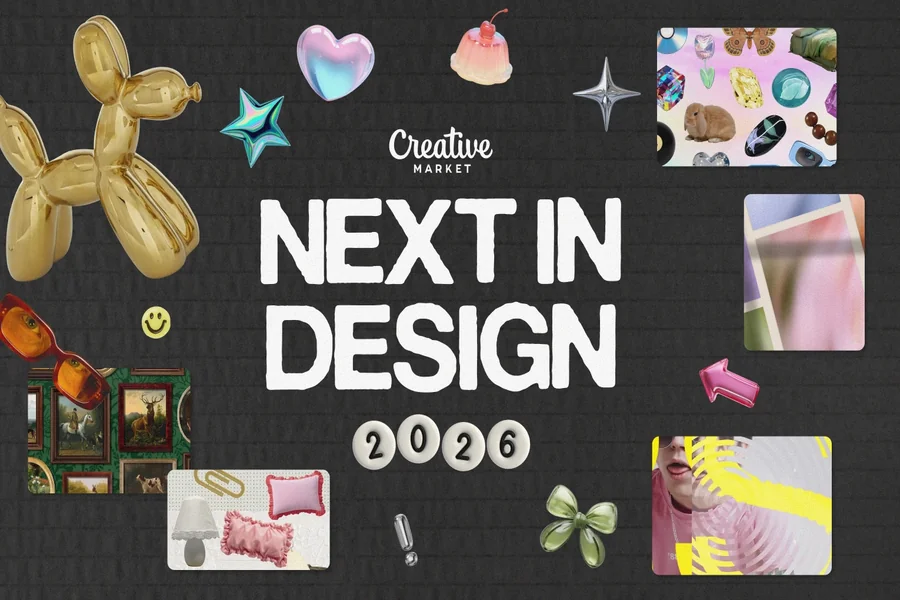
Graphic design has always reflected the culture, technology, and emotions of its time. From the minimalist digital aesthetics of the 2010s to the bold, experimental visuals of recent years, design trends evolve as people change the way they communicate and consume information. By 2027, the graphic design industry is expected to enter a new era shaped by artificial intelligence, human-centered creativity, immersive experiences, sustainability, and a renewed appreciation for authenticity.
The biggest shift will not simply be about adopting new styles. Instead, designers will focus on creating meaningful visual systems that combine technology with human personality. As AI tools make it easier to generate polished images and layouts, originality, storytelling, and strategic thinking will become even more valuable.
1. Human Creativity Will Become the New Luxury
One of the strongest design movements of 2027 will be a reaction against overly perfect, AI-generated visuals. As automated design tools become more common, audiences may begin to value imperfections, handmade details, and personal expression more than flawless digital graphics.
Brands are likely to embrace designs that feel crafted rather than manufactured. Hand-drawn illustrations, custom lettering, organic textures, and imperfect layouts will help companies create stronger emotional connections. Instead of looking identical to competitors using similar AI tools, successful brands will invest in distinctive visual identities.
This shift represents a move away from generic design toward personality-driven branding. Designers will focus less on creating something that simply looks attractive and more on creating something recognizable and memorable.
2. AI-Assisted Design Will Become a Standard Workflow
Artificial intelligence will continue transforming graphic design in 2027. However, AI is unlikely to replace professional designers; instead, it will become another creative tool in the designer’s process. AI tools will help with concept generation, image creation, editing, and faster production workflows.
The modern graphic designer will increasingly become a creative strategist who combines technical knowledge, artistic judgment, and AI-assisted tools to develop unique visual solutions for brands and audiences.
Future designers may use AI to explore hundreds of creative directions quickly, generate early concepts, automate repetitive tasks, and create personalized content variations. The designer’s role will increasingly focus on decision-making: selecting the right ideas, understanding audiences, maintaining brand consistency, and adding human insight.
The most successful creatives will be those who can combine AI efficiency with traditional design skills such as composition, typography, storytelling, and visual psychology.
3. Typography Will Take Center Stage
Typography is expected to become one of the most important elements of graphic design in 2027. As brands compete for attention across crowded digital platforms, bold and expressive type will help messages stand out. Typography is already becoming a major part of brand identity because fonts influence how audiences perceive personality, trust, and emotion.
Designers will experiment with oversized headlines, custom typefaces, variable fonts, animated lettering, and unusual layouts. Text will no longer simply communicate information—it will become the main visual element.
Expect to see more designs where a single word, phrase, or letter dominates the composition. Instead of relying heavily on photography or illustrations, brands will use typography itself as a storytelling device.
4. Motion-First Graphic Design Will Grow
Static graphics are no longer the only way audiences experience design. Social media platforms, websites, digital advertisements, and interactive products increasingly rely on movement to capture attention.
By 2027, motion design will become a standard part of graphic identity. Logos may transform depending on where they appear, typography may move dynamically, and digital experiences may respond to user interaction.
Small animations, transitions, and interactive details will help brands create more engaging experiences. However, designers will need to balance creativity with usability. Movement should guide attention and improve communication rather than distract users.
5. The Rise of Tactile and Sensory Design
Although digital design continues to expand, physical experiences will become increasingly important. Many brands are expected to explore textures, materials, and print techniques that create a sense of touch and authenticity.
Packaging design, in particular, may move toward premium textures, natural materials, and craft-inspired visuals. Designers will combine digital precision with physical qualities such as paper textures, embossed surfaces, and handmade elements.
This trend reflects a desire for more meaningful experiences in an increasingly digital world. When consumers see thousands of digital images every day, a physical design experience can feel more memorable.
6. Sustainable Design Will Become More Sophisticated
Sustainability will continue influencing graphic design in 2027, but it will move beyond simple environmental symbols and green color palettes. Brands will increasingly communicate sustainability through thoughtful design choices, including material selection, packaging reduction, and transparent visual storytelling.
Designers will explore natural textures, recycled materials, minimalist packaging, and visual systems that communicate responsibility without feeling forced.
The challenge will be authenticity. Audiences are becoming more aware of misleading environmental claims, so brands will need genuine sustainability practices supported by honest design.
The biggest shift will not simply be about adopting new styles. Instead, designers will focus on creating meaningful visual systems that combine technology with human personality. As AI tools make it easier to generate polished images and layouts, originality, storytelling, and strategic thinking will become even more valuable. Businesses may also increasingly collaborate with top UX design firms in the US to create engaging, intuitive, and human-centered digital experiences.
7. Retro Styles Will Return With Modern Technology
Nostalgia will remain a powerful influence in 2027. Designers will continue revisiting visual styles from previous decades, but they will reinterpret them through modern tools.
Expect to see combinations of vintage typography, retro color palettes, analog textures, and futuristic digital effects. Rather than copying the past, designers will create hybrid styles that combine familiarity with innovation.
This trend works because nostalgia creates emotional connections. Familiar visual references can make brands feel warmer, more approachable, and more human.
8. Maximalism Will Challenge Minimalism
For many years, minimalism dominated branding and digital interfaces. Clean layouts, simple colors, and restrained designs became associated with professionalism and modernity. However, 2027 may bring a stronger return of maximalist approaches.
Designers will experiment with layered compositions, unexpected color combinations, complex patterns, and expressive illustrations. The goal will not be visual chaos, but controlled complexity.
A new form of “intentional maximalism” will allow brands to communicate energy and personality while maintaining clear structure.
9. Personalized Design Experiences Will Expand
As technology improves, audiences will expect more personalized visual experiences. Brands may create designs that adapt based on user preferences, location, behavior, or context.
For example, digital advertisements, websites, and apps may adjust imagery, layouts, or messaging depending on who is viewing them.
This will create new opportunities for designers but also require stronger understanding of user experience, accessibility, and ethical design practices.
10. Authenticity Will Define Successful Brands
The biggest graphic design trend of 2027 may not be a specific color, font, or style. It will be authenticity.
In a world where anyone can generate thousands of images instantly, the most valuable designs will be those with clear purpose and emotional meaning. Brands that understand their audience and communicate genuine stories will stand out.
The future of graphic design will belong to creators who combine technology with imagination. AI will provide new possibilities, but human creativity will remain the force that gives designs meaning.
Graphic design in 2027 will be defined by balance: technology and humanity, digital innovation and physical experiences, simplicity and expression. Designers will use AI tools, motion graphics, immersive technology, and sustainable practices while placing greater importance on originality and emotional connection.
The future will not belong to designs that are simply faster to create. It will belong to designs that make people feel something. As visual communication continues evolving, the role of the designer will become even more important—not as someone who only creates images, but as someone who shapes how people understand and experience the world.
