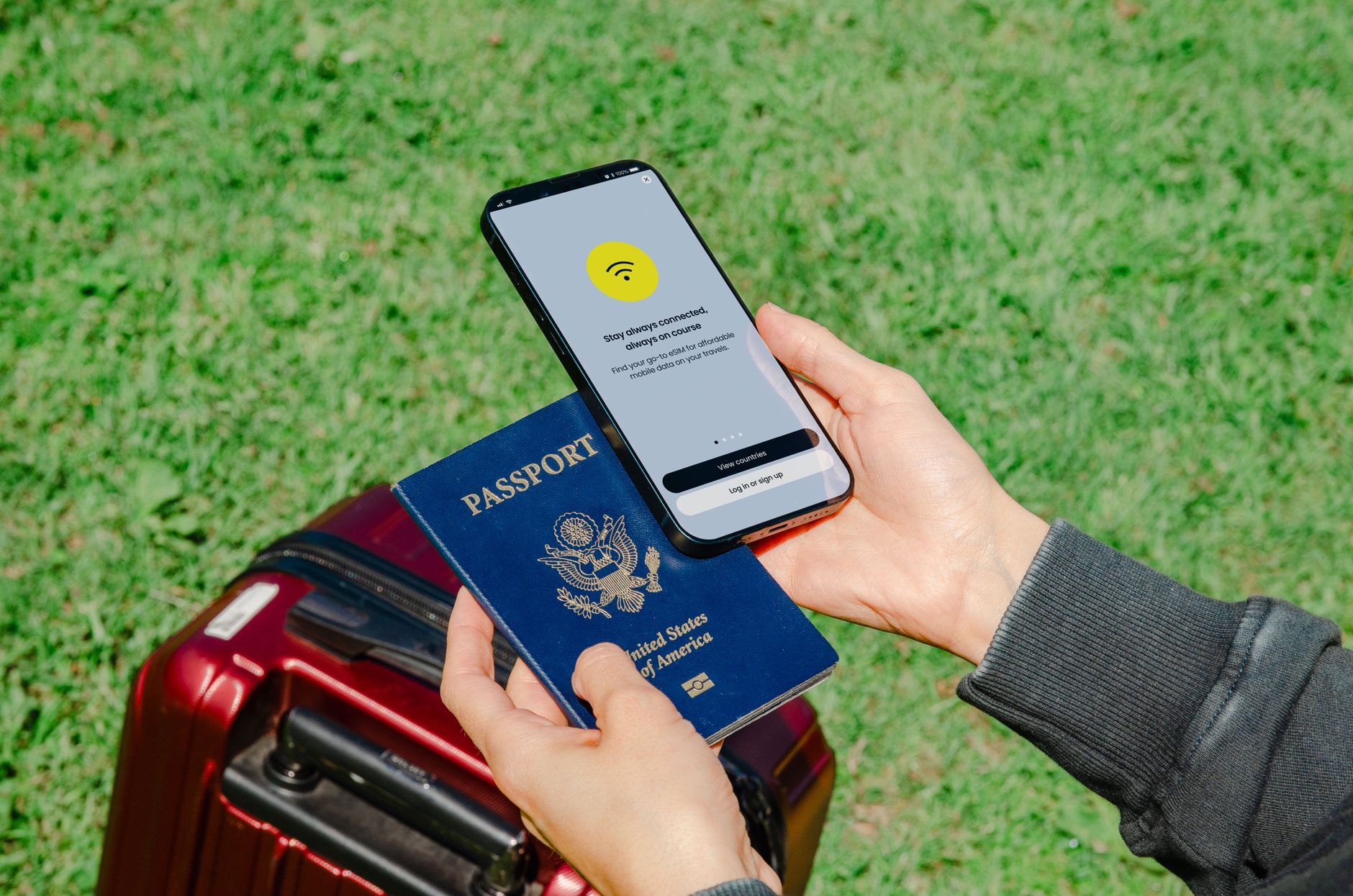
If you've booked international travel recently and noticed a new requirement for an online authorisation before departure, you're not imagining things — it's part of a genuine, ongoing shift in how countries manage short-term visitors.
What an Electronic Travel Authorisation Actually Is
At its core, this type of system sits between a full visa and completely visa-free travel. Rather than requiring an embassy visit and lengthy processing, eligible travellers complete a relatively short online application, providing passport details, a photo, and answers to a handful of questions about their trip. Approval is typically fast and linked electronically to the traveller's passport, without a physical stamp or sticker.
A UK ETA application follows this same basic model — designed to pre-screen visa-exempt travellers before they arrive, rather than relying solely on checks made at the border itself.
Why Countries Are Adopting This Model
From a government's perspective, electronic authorisation systems offer a way to review traveller information in advance, using automated checks against security and immigration databases, without the resource burden of processing full visa applications for every short-term visitor. It's a middle ground that aims to balance security screening with keeping tourism and business travel relatively accessible.
How It Differs From a Traditional Visa
A traditional visa often requires more extensive documentation, sometimes an in-person interview, and can take weeks to process. Electronic authorisations are generally faster, cheaper, and simpler — but they also tend to come with more limited permissions, typically covering short stays for tourism, family visits, or business meetings rather than work or long-term residency.
The Application Process, Step by Step
While specifics vary by country, most electronic travel authorisation systems follow a similar pattern: create an account or start an application, enter passport and personal details, upload a photo, answer background and travel-purpose questions, pay the associated fee, and submit. Processing then happens electronically, with most straightforward applications approved within a short window.
Common Sources of Confusion
Travellers sometimes confuse these systems with visas outright, assuming the process and requirements are identical. Others assume that because a destination is "visa-free," no advance paperwork is needed at all — not realising that an electronic authorisation, while different from a visa, is still a required step. Reading the specific requirements for your nationality and destination, rather than relying on general assumptions, avoids most of this confusion.
What to Expect Going Forward
As more countries roll out similar systems, travellers can expect this kind of advance digital screening to become a standard part of international travel, alongside booking flights and checking passport validity. Understanding the basic mechanics now — rather than encountering the process for the first time under time pressure — makes future trips considerably easier to plan.
Electronic travel authorisations aren't going away; if anything, they're becoming the norm. Getting comfortable with how they work is quickly becoming a practical necessity for anyone who travels internationally.