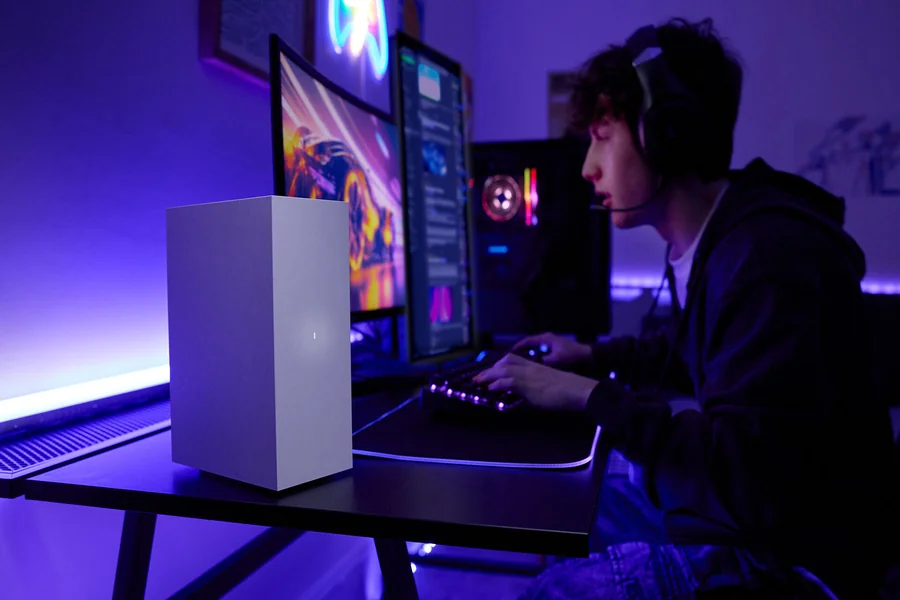
Have you ever played a game and noticed it feels a lot like the way people act, talk, dress, and connect in daily life?
Modern gaming often mirrors real-life culture in fun and creative ways. Players bring their habits, humor, style, teamwork, and social routines into the games they play. That is why gaming can feel so familiar, even when the setting is imaginary.
At its heart, gaming is shaped by people. The characters may be digital, but the choices, friendships, jokes, and group habits often feel very human.
Games Reflect How People Express Themselves
Modern BANDIT4D gaming gives players many ways to show personality. People choose looks, names, colors, outfits, roles, and play styles that feel close to who they are.
This is much like choosing clothes, decorating a room, or setting up a personal profile. Small choices can say a lot, and players often enjoy making their space feel like theirs.
Style Choices Feel Personal
Many players spend time picking character looks, color themes, accessories, or custom details. These choices help them show mood, taste, and personality.
Someone may choose a calm look one day and a bold one the next. Another person may pick a funny style just to make friends laugh.
These choices make gaming feel creative. They let players express themselves without needing a long explanation.
Names and Avatars Add Identity
Player names and avatars often become part of how people are known in gaming spaces. A fun name, a clever icon, or a favorite character style can become familiar to others.
It is similar to a nickname among friends. Over time, people connect that name with a certain personality, play style, or sense of humor.
Games Reflect Social Habits
Online games often feel like social spaces because players bring everyday manners into them. They greet each other, share tips, make plans, celebrate wins, and check in with friends.
These habits make gaming feel like a casual hangout. The game gives people something to do together, while the social part makes it meaningful.
Players Build Group Routines
Many BANDIT4D TOGEL gaming groups create regular routines. They may meet on certain days, start with a warm-up round, or play while chatting about their day.
These routines feel a lot like real-life meetups. Friends may not be in the same room, but the habit of showing up still builds closeness.
Common group habits include:
- Weekly play sessions
- Quick greetings before a match
- Sharing funny clips
- Celebrating small wins
- Helping new players learn
These simple actions turn gaming into shared time.
Inside Jokes Build Community
Gaming groups often create their own jokes and phrases. Maybe someone always picks the same role. Maybe a funny moment becomes a running joke.
These shared laughs help people feel included. They give the group its own personality and make each session feel familiar.
Games Reflect Teamwork and Cooperation
Modern gaming often shows how people work together. Players plan, share tasks, support each other, and adjust as a group.
This feels close to teamwork in school, work, sports, or family life. Everyone brings different strengths, and the group works best when those strengths fit together.
Different Roles Show Different Strengths
Games often give players roles that reflect real social skills. Some people lead. Some support. Some plan. Some explore. Some encourage the group.
| Gaming Role | Real-Life Skill |
| Leader | Clear direction |
| Helper | Care and support |
| Planner | Smart thinking |
| Explorer | Curiosity |
| Builder | Creativity |
| Communicator | Clear updates |
This mix shows how different people can work well together.
Shared Goals Bring People Closer
A shared goal gives players a reason to cooperate. They may complete a mission, solve a puzzle, build something, or finish a round together.
That shared effort creates a connection. Players feel proud because they helped each other reach the result.
Games Reflect Creativity in Daily Life
Modern BANDIT4D LOGIN gaming often gives players tools to create. They may build spaces, design looks, plan events, write stories, or create group challenges.
This mirrors the creative habits people already enjoy outside games. It can feel like crafting, decorating, writing, planning a party, or making a playlist.
Players Create Their Own Traditions
Some groups create themed sessions, custom challenges, or friendly events. These traditions make gaming feel more personal.
A group might dress characters in matching colors, play a certain mode every weekend, or take screenshots after a fun session.
These habits make play feel like a shared culture.
Storytelling Happens Naturally
Players often tell stories about what happened in a match. A close finish, clever move, funny mistake, or kind teammate can become a story people repeat.
That storytelling is very human. People have always shared memories through stories, and gaming gives them fresh moments to talk about.
Games Reflect Real-Life Celebrations and Trends
Modern gaming also reflects the way people celebrate trends, seasons, and special moments in real life. Many players enjoy events, themed updates, limited-time styles, and group activities that feel similar to holidays, festivals, or popular social trends.
These moments make games feel connected to the world outside the screen. A seasonal outfit, a themed map, or a special group challenge can remind players of real-life celebrations where people dress up, gather together, and enjoy something new.
Gaming trends can also spread quickly, just like trends on social media. A funny pose, popular strategy, character style, or shared challenge can become something many players recognize. This shows how gaming spaces can create their own culture while still being shaped by the habits and interests people have in everyday life.
Games Reflect How People Learn Together
Gaming communities often learn as a group. Players share tips, explain controls, and help others improve.
This reflects how people learn in daily life, too. A friend shows you a shortcut. A coworker explains a tool. A family member teaches a recipe.
Tips Spread Through Conversation
Players often share advice in simple ways. One person says, “Try this path,” and another adds, “That works well with this role.”
Learning feels natural because it happens during play. People improve while spending time together.
Final Thoughts
Modern gaming reflects real-life culture because people bring themselves into every session. They bring style, humor, teamwork, routines, creativity, kindness, and shared stories. The screen may be digital, but the habits behind it feel very real.
That is what makes gaming so interesting today. It is not only about play. It is also about how people connect, create, learn, and express who they are.