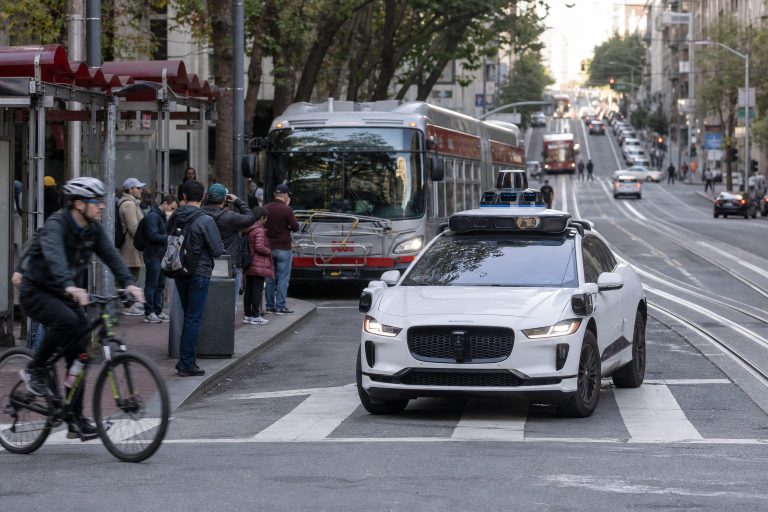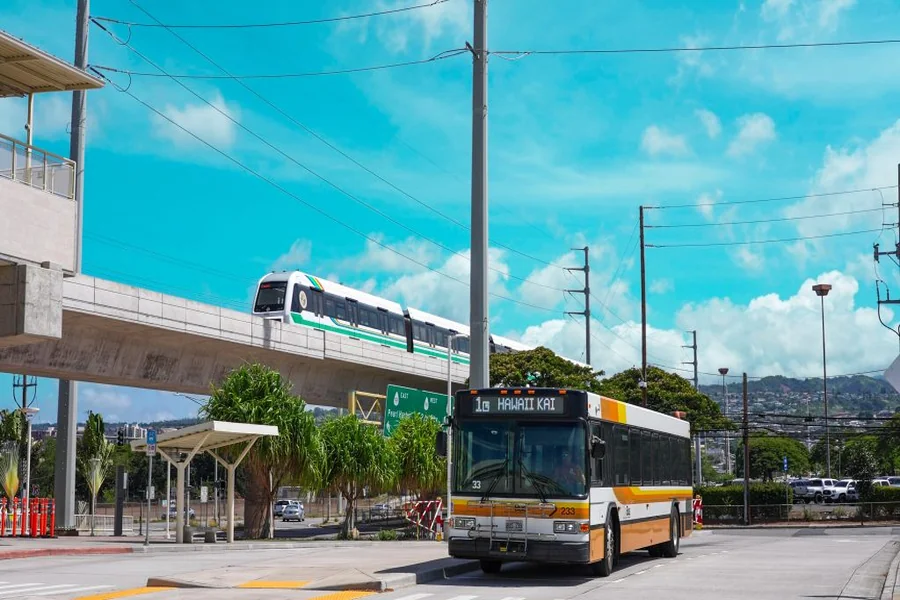
You land at Kona International Airport (KOA) on the Big Island of Hawaii, pull out your phone, and open Uber. One driver available. Estimated wait: 45 minutes. You try Lyft. Nothing. You open Google Maps and tap the transit icon. “No transit options found.” Welcome to the largest island in the 50th state, where modern transportation technology essentially does not exist.
The Big Island is one of the most popular tourist destinations in the Pacific, drawing over 1.5 million visitors per year. It is also one of the most poorly served by the ride-hailing apps, transit platforms, and micro-mobility startups that have transformed urban transportation over the past decade. The disconnect is striking, and it reveals a blind spot in how mobility tech scales beyond city limits.
The Numbers Behind the Problem
The Big Island covers 4,028 square miles. That makes it larger than Rhode Island and Delaware individually, and twice the size of all the other Hawaiian islands combined. You can also check out meansbase for more details on this topic. Around 200,000 people live here year-round, spread across small towns and rural communities connected by the Hawaii Belt Road, a two-lane highway that loops around the island.
Two commercial airports serve the island: Kona International Airport (KOA) on the west coast and Hilo International Airport (ITO) on the east. The drive between them takes roughly two hours. Major tourist areas, from the resort corridor along the Kohala Coast to Hawaii Volcanoes National Park near the southern tip, are separated by distances that would take an hour or more to drive.
Despite this scale and the volume of visitors passing through, the island’s transportation options are remarkably thin. The Hele-On Bus, the county’s public transit system, runs limited routes on infrequent schedules. There is no rail, no light rail, no airport shuttle service to most destinations. Uber and Lyft technically operate here, but coverage is concentrated in Kona and Hilo. Step outside those two towns and availability drops to near zero. Micro-mobility, the scooters and bike-share systems common in mainland cities, does not exist here at all.
Why Mobility Tech Skipped the Big Island
The economics of ride-hailing platforms depend on density. Uber and Lyft need enough drivers in a small enough area to keep wait times low and rides profitable. The Big Island has roughly 50 people per square mile. Compare that to Honolulu at 5,700 per square mile, or San Francisco at 18,000. At Big Island density, a driver might spend 30 to 45 minutes driving to a pickup for a 10 minute ride. The math does not work.
Tourist traffic makes the problem worse, not better. Unlike concentrated urban tourism destinations like Las Vegas or Manhattan, Big Island visitors scatter across resorts, vacation rentals, and rural areas on every coast. There is no central corridor to optimize around. Demand is geographically dispersed and seasonally variable, which is the opposite of what ride-hailing algorithms are built to handle.
Infrastructure gaps compound the issue. Cell coverage is unreliable in parts of the island, particularly in the rural areas tourists are most likely to visit: the road up to Mauna Kea’s summit at nearly 14,000 feet, the remote beaches along the South Kohala coast, the winding roads through coffee country on the slopes of Hualalai volcano. When the app itself cannot connect, the service does not exist.
How the Gap Actually Gets Filled
Where technology has not shown up, local businesses have adapted. The most common solution visitors discover, usually after the Uber shock at KOA, is local car rental companies that deliver vehicles directly to the customer.
Rather than operating from airport counters with lines and shuttle buses, some local operators bring the car to wherever the customer needs it: the airport terminal, a resort, a vacation rental, anywhere on the island. One example is Mauka Hualalai Rentals, a family-run company based in Kailua-Kona that delivers to KOA airport, Hilo’s ITO airport, and hotels across the Big Island. The fleet ranges from 15-passenger vans for groups to Porsches for visitors looking for something different. No app download required. You book, they show up with the car.
It is a low-tech solution to a problem that high-tech has not bothered to solve. For visitors who need to cover 100 or more miles in a day to see what the island has to offer, it works. And for the local operators, the absence of Uber and Lyft is not a problem. It is the business model.
A Broader Pattern in Mobility Tech
The Big Island is not an isolated case. Rural and remote tourist destinations around the world face the same infrastructure gap. Iceland’s Ring Road, New Zealand’s South Island, the Scottish Highlands, Patagonia. These are places that attract millions of visitors per year but lack the population density to support on-demand ride-hailing or micro-mobility platforms.
Mobility tech has spent the past decade optimizing for cities. That makes sense from a revenue perspective: urban markets are large, dense, and profitable. But the result is a growing divide between places where getting around without a personal vehicle is easy and places where it is nearly impossible. The Big Island, with its combination of high tourist volume and zero viable alternatives to a car, makes that divide especially visible.
Until someone builds a mobility solution designed for low-density, high-tourism environments, or until autonomous vehicles change the driver economics equation entirely, the gap will remain. And local operators with a set of keys and a willingness to drive to where you are will keep filling it.