
Key Takeaways
- Driverless vehicles could change trips to work, appointments, stores, schools, and entertainment.
- The strongest public benefit may come from connecting people to high-capacity transit rather than replacing it.
- Parking demand, curb access, and traffic could change in very different ways depending on whether vehicles are shared or privately used.
- Accessibility, clear safety reporting, and responsive customer support should be treated as core requirements.
- City policy and community feedback will shape whether autonomous mobility supports or strains local streets.
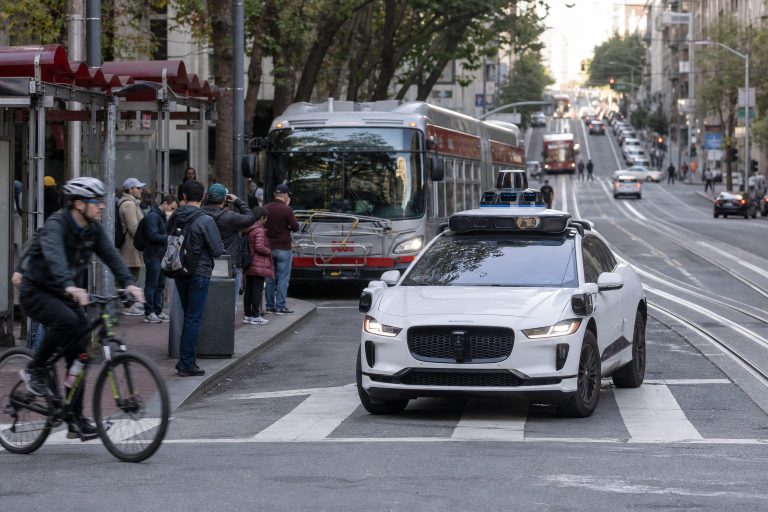
Autonomous mobility is becoming part of the transportation conversation in San Francisco, California, where steep grades, busy sidewalks, transit corridors, delivery activity, cyclists, and visitors all share limited street space. For residents comparing emerging options, the best self-driving cars in San Francisco are one starting point. Still, the more important question is how any driverless service fits into the city's wider mobility network.
In 2026, autonomous travel should be viewed as a possible tool, not a guaranteed fix for congestion, safety, or access. Its real value will depend on whether it helps people reach daily destinations while protecting transit, walking, biking, accessibility, and the public space that makes San Francisco's neighborhoods work.
Why San Francisco Is a Useful Case Study
San Francisco presents the kind of street environment that tests transportation technology in everyday conditions. A vehicle may encounter a cable car corridor, a double-parked delivery van, a crowded crosswalk, a construction detour, fog, or a sharply sloped block within the same trip. These conditions show why transportation planning cannot focus only on the person inside a vehicle. It must account for everyone using the street.
What Counts as Autonomous Mobility?
Terms are often used loosely, so it helps to separate them. Driver-assistance systems support a human driver, who remains responsible for the vehicle. Automated driving refers to technology that performs driving tasks under defined conditions. Autonomous ride services provide on-demand trips in vehicles that may operate without a human driver. Shared autonomous vehicles serve multiple riders or households, while connected infrastructure includes signals, curb information, maps, and other systems that help transportation networks operate.
How Daily Trips Could Change
For some residents, autonomous rides could offer another option for short errands, medical visits, late-night trips, or travel to a rail, bus, or ferry connection. A first- or last-mile trip may be useful when a destination is beyond a comfortable walk or when a rider has mobility needs. At the same time, easier access to a vehicle can encourage additional trips, including longer trips across the Bay Area. Convenience alone does not guarantee less traffic or faster travel for everyone.
Public Transit Must Remain Part of the Conversation
San Francisco's transit system moves far more people through constrained corridors than individual cars can. Autonomous services may be most useful when they supplement buses, trains, and paratransit by helping riders reach stops in areas with longer walks or limited service. The city's approach to autonomous vehicles reflects the need to consider how these services affect safety, street operations, and public transportation.
The key distinction is between a shared trip, which reduces the need for private car ownership, and a single-passenger ride, which adds another vehicle to the street. Planners should ask whether a service reduces household car dependence, improves access to transit, or draws riders away from buses and trains.
Parking, Curbs, and Street Design
A vehicle that drops off a passenger does not need to park at the destination, but it may still need space to wait, charge, clean, reposition, or pick up its next rider. That shifts attention from parking lots to curbs. Pickup zones can compete with bus stops, bike lanes, commercial loading areas, accessible passenger zones, and sidewalk crossings.
Research gathered on autonomous vehicles and parking demand suggests that major parking reductions are not automatic. The largest changes are more plausible when vehicles are shared, pooled, widely available, and used to complement high-capacity transit. If those conditions are met, some parking areas could eventually be reconsidered for housing, deliveries, greenery, seating, or safer pedestrian space.
Safety Beyond the Vehicle
Safety is not limited to collision totals. It also includes whether vehicles recognize people walking, cycling, using wheelchairs, working in the street, directing traffic, or responding to emergencies. Difficult situations can involve blocked lanes, temporary signs, unusual detours, crowded events, and emergency vehicles. Residents need a simple way to report repeated problems such as blocked traffic lanes, unsafe stopping behavior, or vehicles that interfere with transit operations.
Public discussion should distinguish measured results from predictions and marketing claims. Useful reporting can include crashes, emergency interventions, service interruptions, sudden stops, roadway blockages, and the steps taken to correct recurring issues.
Accessibility and Everyday Independence
Autonomous transportation could increase independence for older adults, people with disabilities, visitors, and residents who do not drive. That potential depends on practical details: step-free entry, wheelchair-compatible vehicles, safe boarding locations, room for mobility devices, support for service animals, and clear audio and visual trip instructions.
Digital access matters as well. A useful service should consider riders who cannot rely on a smartphone, a credit card, or complex app-based support. If a trip is delayed, rerouted, or interrupted, riders need understandable assistance from a real person or an effective alternative system.
Environmental Questions to Ask
Electric vehicles can avoid tailpipe emissions during operation, but vehicle manufacturing, battery materials, charging, maintenance, and replacement still carry environmental impacts. The broader measure is total vehicle miles traveled. Shared rides, fewer empty miles, and stronger transit connections may improve outcomes, while frequent single-passenger trips or empty repositioning could increase traffic and energy use.
Questions for City Planners and Residents
- Will autonomous services reduce private vehicle ownership or increase the number of vehicles circulating on city streets?
- How will bus lanes, bike lanes, crosswalks, sidewalks, and loading zones be protected?
- What safety and operational data should be publicly available?
- How will service reach lower-income neighborhoods and areas outside the busiest commercial districts?
- How will fares, wait times, accessibility, and coverage compare with existing travel options?
- What rules apply during construction, emergencies, severe weather, and major public events?
Realistic Scenarios for 2026 and Beyond
Transit Support
Autonomous vehicles serve as short-distance connectors that help people reach rail and bus routes, particularly when walking or transfers are difficult.
More Convenience, More Traffic
Easy single-passenger rides increase travel demand, putting greater pressure on streets and curbs even as some individual trips become simpler.
Carefully Managed Integration
Clear standards for accessibility, data sharing, curb behavior, and transit coordination guide expansion before it becomes widespread.
Conclusion
Autonomous mobility may become more visible in San Francisco during 2026, but technology alone will not determine whether it improves city life. The best outcomes are likely to come from services that strengthen public transit, expand accessible travel, protect vulnerable road users, and use scarce street space responsibly. Transparent data, practical rules, and ongoing public feedback can help ensure driverless travel serves the city rather than simply adding another demand on its streets.
